RSS

Tag Archives: freelancing

10 reasons not to write a blog

pens and ink bottleWe’ve already looked at reasons to write a blog. But what are the reasons for not writing a blog, or for taking an informed decision to stop writing one, even if you started?

Note that this, like the last post, is mainly targeted at business bloggers. However, if you have a blog that you want to gain an audience and maybe earn some money from in whatever way, these points will interest you, too.

So, what are the reasons NOT to write a blog, or to give up?

1. You are only doing it because someone told you that you should

I go on about blogging to people ALL THE TIME. I even did it when I was buying vegan food from a stall in Greenwich at the weekend. But don’t just do it because someone tells you to. OK, it’s worth looking at the reasons why having a blog is good (see my previous post) and making an informed decision, but if someone just tells you, “start writing a blog” and you do, it’s not so likely that the habit will stick and it will be useful and fun.

2. You actually dislike doing it

So, you’ve started blogging and you’ve got into a routine, and then you realise that you’re just dreading writing that next post. I’m going to talk in another post about slumps and maintaining momentum (if I forget to link to it here, look in the index). But what I’m talking about here is hating it all the time, disliking putting fingers to keyboard and putting the thing together, resenting the time it takes up. If you don’t enjoy doing it

  • get someone else in your organisation to do it
  • pay someone else to do it
  • stop doing it entirely

3. You haven’t got time to post regularly

Although if you have a personal blog and you’re not worried about statistics and search engines, you can get away with blogging very irregularly, if you are doing it so as to appear in search results and get more exposure for your business, you really do need to post regularly. I find that, for me, three posts a week are the sweet spot. When I publish three posts a week, I get the most visits to the blog. It’s worth noting that not all of those are long posts (my Troublesome Pairs certainly are not), but it’s regularly updated content, full of relevant keywords and useful to different groups of readers.

Once a week is, I think, the minimum you can get away with and still gain value from the process. If you don’t have the time to do this, again, consider outsourcing, or consider not doing it at all.

4. You’re not organised to post regularly

Following on from the time issue, you do need to be organised enough to generate new content fairly regularly. Again, I’m going to talk about this in detail in another article, but you do need to be able to plan what you’re going to talk about, gather photographs and illustrations for the posts, and organise yourself to sit down and write them, and then publicise the posts and deal with any comments that might ensue. If you fly by the seat of your pants and do everything as and when, and find organisation in general to be a tricky thing, blogging for business might not be for you.

5. You’re only in it to make money

You do read loads of posts about making money from your blog. And you can make money from your blog, for example by …

  • Allowing adverts to appear on your blog (but be very careful with this and make sure you only allow adverts relevant to your readers or this will be a big turn-off. The best way to do this is through carefully selected product placement that matches with your content and readership)
  • Hosting affiliate links on your blog so that readers can click a button or picture on your blog to be taken through to buy a product, while you get a percentage of all sales (this is notoriously difficult to make money from)
  • Selling your blog to a publisher to make into a book (but not many people make money writing and selling books, and there’s more to a blog-to-book than just bunging all your blog posts in one place – I have direct experience of this)

It’s not common to make money directly from your blog. It’s hard to say how many page views you need per month to do well out of advertising, but recommendations start at 10,000 unique visitors per month. Not many publishers convert blogs into books outside the big ones we’ve all heard about. What my blog does is let people know about me who then become customers … but that’s using your blog to build your business, not to make money per se. If you’ve read an article or been to a seminar about easy ways to make money online, be VERY careful what you sign up for and get into.

6. You are not interested in engaging with your readers

People who read blogs like to comment on them. People who comment on blogs like to see the blogger reply to these comments. I know that personally I’ve stopped reading and commenting on blogs when I’m never responded to, especially if I can see that the blogger never responds to any comments. This is actually one of my Top 10 Blogging Sins, too.

If you’re not actually interested in having a conversation, in engaging with your readers, in replying to their comments, and you just find it a chore; if you just want to broadcast and don’t want to engage in two-way conversation, I don’t personally think that blogging is for you. You will lose readers as fast as you gain them, and it will never be personally or professionally fulfilling for you.

7. You are not interested in engaging with other bloggers

This is similar to point 6, but we’re talking here about other people in the same line of business as you (whether that business be small business support, engineering or book reviewing). If you see other people blogging on a similar topic to you as rivals, and you want to keep apart from the, set yourself apart and distance yourself, then you may not find blogging to be useful. You probably can’t “beat” the most successful blogger in your industry, and if you don’t want to engage with them, share guest blog spots, link to their material and comment on each other’s blogs, then it might be wise to disengage with the process.

8. You haven’t got anything interesting to say

If you’re boring yourself with your blog content, you will probably be boring your readers. If you’re constantly scratching around for topics to write about, or covering the same ground time and again, consider scrapping that series, if you have various topics you cover on your blog, or the whole thing. I used to post up an update about what I’d been doing in the previous month at the beginning of each month. Although some readers said they enjoyed it, it was becoming very repetitive and boring to write. So I stopped doing it and added something else in that slot on the blog.

Note: what you think isn’t interesting might be to other people – it’s always worth doing some market research. When I meet people like locksmiths, carpenters and electricians, I always tell them they should write a blog about their daily lives and the jobs they do (keeping their clients’ confidentiality, of course) as many of us would find that sort of thing really interesting. I’m talking about when you’re struggling for ideas and you’re maybe not getting any positive feedback or a growing readership, and your blog becomes bogged down and repetitive. Have a rethink or ditch the blog!

9. Your blog isn’t relevant to your target market

If you’re blogging for business, your blog posts need to be relevant to your target market(s). For example, I blog about …

  • Word tips and hints – because most of my clients and target market use Word
  • Language tips and hints – because my business lies in improving written language
  • Business tips and hints – because I’ve written a book about business and I am passionate about engaging with other businesses
  • Blogging tips and hints – because I get asked about this a lot and because of the business reason above and because I noticed that I get searches coming through to my blog on that topic already, so people want to know about it

If you sell garages but blog about hairstyles, the people who read your blog are not likely to have a huge overlap with the people who are going to buy your services. If you have a book review blog and want to engage with mystery authors but only review romance, that’s not going to engage your audience. There needs to be a big overlap between what you talk about on your blog and the people you want to attract to read it. Even “the general public” has niches – people who like to read about fashion, or the work of an ambulance driver, or about low cholesterol eating.

10. Nobody is reading your blog, even after 6, 12, 18 months

It takes time to build a blog and its audience. Both of mine have grown over the months, pretty gradually. My book review blog wasn’t growing its audience much for a while, and I did wonder whether to cancel it. I actually published a post asking if people found it interesting to see whether anyone was reading it! What I found out was that many people were reading it on blog aggregators, which don’t show up on my statistics. So it was worth doing, but I also took steps to add value, beefing up my reviews, adding some more web pages to the blog, and importing a whole wodge of old reviews from another blogging service I used to use. My traffic improved and the blog was saved. But if you do that, and you change things and no one’s looking, maybe it’s time to consider other ways to market and raise awareness.

———–

These are not necessarily ten reasons to stop blogging altogether. They certainly are reasons to stop, look at what you’re doing, reconsider things and maybe tweak your posts, style, content or other aspects.

Have you stopped writing a blog? Why?

Relevant posts:

10 Reasons to Write a Blog

Reciprocity and social media

Top 10 blogging sins

Scheduling blog posts and keeping going

Coming soon …

WordPress blogging 101


19 Comments

Posted by on August 12, 2013 in Blogging, Business, Writing


Tags: , , , , , ,

An Editor Writes: 10 Lessons I Learned When Writing My Own Book

going_itWhen I set out to write a full-length non-fiction book, I had two ideas in my head:

1. I can just stitch this together from my blog posts – easy!

2. I’m a professional editor and writer, I’m used to writing to deadlines, so I’ll get this done quickly and efficiently.

Wrong!

This article is about what happens when you go over to the other side – when editor and content writer becomes (self-)published author.

Sitting down to write

The first thing I found when writing my own book was that it’s so hard to make yourself do it! I knew towards the end of 2012 that I had amassed the blog posts that I needed to write a book about a year of self-employment. So I picked up all the posts out of my blogs, popped them in a Word document, and thought, “Oh, look: a book”.

First lesson learned: I should probably have organised the book using a software package like Scrivener. This would have made it easier to organise … and reorganise … and reorganise it.

Second lesson learned: I should have set aside time for this process in my diary, like I do for my clients. You’d think I’d have learned this from trying to slot some academic research into my schedule – apparently not!

Emotional blocks to writing

I don’t know whether it’s because when I write for my clients, it’s “white label” work, which means that my name doesn’t appear on the finished piece, and having this appearing under my own name made it feel like I was under the spotlight, but I kept getting blocked. When it’s paid work for a client, I’m as busy as can be, but somehow there were a zillion other things I could do to avoid working on the book (sound familiar)?

I was committed to it; I knew it could actually help people; people had TOLD me to write the thing, but I’d get blocked and veer away from it in my mind and physically when I tried to sit at my desk. This happened particularly at the editing stage.

Third lesson learned: Treat writing like a job. Set deadlines and stick to them. Try to sweep aside the emotions and get on with it, as you would with a job.

How to organise your book in a million easy stages

It all looked a bit messy and unbalanced, so I made some of the posts diary entries and some of them articles. Nope, still looked wrong. This is where I realised that you can’t just turn a blog into a book without some serious editorial decisions. I moved stuff around, added an introduction to each month, and stuck bigger, more general pieces in appendices at the end.

Fourth lesson learned: If you think it’s going to be easy, you’re probably doing it wrong. Nothing good comes without a struggle, right?

How to edit an editor

Like a good writer who’s learnt from others, I was all ready and eager for some beta readers. I recruited two friends initially. Each did a useful read-through for me and gave me some good comments. One of them, and I say this with the greatest appreciation and respect, edited my book like I was editing my book. She’s not a professional editor, but she’s good. She picked out typos (ouch) and weird sentences (ouch) and missing links (ouch) and repetitions (eek) and huge structural issues (argh!).

Ouch, ouch, ouch.

I’ve written in detail elsewhere about my reaction to this edit: suffice it to say that I felt wounded, winded and disconsolate. What a marvellous lesson about how my own clients feel when I edit them! It did put me off for a good while, thinking this book was rubbish, how dare I think I could publish something, let alone publish something good that people would want to read. In fact, I left it for FOUR MONTHS!

Fifth lesson learned: Editing is vital, but it does sting. I must continue to be as kind to my editing clients as I possibly can be. However kind the editor is, it still feels brutal to have your work criticised and pulled apart. I will not make it more brutal for them.

Sixth lesson learned: You can get a blog post out of anything. Mine on being edited was one of my most popular so far!

Getting round to rewriting

I mentioned emotional blocks: this was the big one. I read through the editing comments. No: I skim-read through them, muttering and sobbing. Then I closed the file and ran away from it. It sat there, taunting me. “So, you were going to publish in the first week of January, were you? It’s February already …” I just couldn’t make myself do it.

In the end, I had to force myself. I had to treat it like any other job, open up the file, and start on it. Of course, once I started, I could see a) how good the editing was, b) how to make it better. I was tough with my precious words. One of the major problems with the text was that it was repetitive – every time you write a blog post, you’re expecting new people to read it as well as subscribers, so you tend to reinvent the wheel. Put that in one document and you’re, frankly, boring people. So out came the delete key, and I honed and polished, added some bits too, but chopped thousands of words off the total, to make a much slimmer and better read.

Seventh lesson learned: Be ruthless. If it is at all expendable, out it comes. Chop out the dead wood. If you can’t see the dead wood, get someone to chop it out for you. It will come out better for it.

When it comes to your book, looks are everything

Well, not everything, but …

I was so keen to publish that I started out with a terrible home-made cover. Then a friend tweaked my original book’s cover to make a new matching one, but it still looked a bit too home-made. I then  found a book designer online and got a lovely cover done. I looked into getting the interior of my book designed professionally so I can put out a print-on-demand paper copy, but the book needs to sell some more copies first to be able to pay for that!

Eighth lesson learned: Your book really does look more professional with a professional cover; it will stand out for the right reasons. If you have more than one book, it’s worth getting an overall consistent look. My first book started to sell more when I got its cover updated to match the new one. Get this done first – it takes ages to update the cover on Amazon when you’re embarrassed about your old one!

Soft launch aka the obsession starts …

A read-through from another friend and it was ready to go! I’d already tried the process once (with a book that was much shorter and easier to write!) so I knew the mechanics of publishing for Kindle on Amazon. I’d read up about the process and I knew about the choices, and decided to go for Amazon exclusive, as I could then enrol the book in KDP Select. I get quite a few loans on my other book, and somehow I make more royalty on loans than sales on that one, per copy. I priced the book carefully – as low as I could make it while still getting the higher royalty from Amazon. I also knew to soft launch, build some sales and reviews, and then do a bigger launch.

So I published the book, and I did the social media thing, and I told people about it, and I sent out one or two review copies. And then I was reminded of the obsessive nature of authors – I’m still constantly checking for reviews, sales, likes, comments … It’s like it’s your baby and you have to watch over its every breath.

Ninth lesson learned: Reviews will come, whether you hassle people or not. I knew a few of my first readers. I put up pleas for reviews. It takes longer to read and review a full-length book, and the reviews will come in time! And if you read a book by an indie author – do review it, it means the world to them!

What next?

Once I had a few five-star reviews (finally!) I’m making more of a noise about the book. I picked up this tip from The Creative Penn and it worked with the last one – give people something to look at when they’re making their buying decision. And here it is, out there, selling and helping people (the main thing) and I’m proud of it and all the hard work.

Tenth lesson learned: Do it. At very least you will find out something about yourself and other authors. At best, you’ll have an income stream and you’ll see some lovely reviews and know you’ve helped and/or entertained people! Go for it!

Resources

The book that I’m talking about here: Going it Alone at 40 – and the book’s own web page with links to worldwide Amazon sites to buy it.

That blog post about being edited: On Being Edited

Book designer: I actually used someone on www.fiverr.com  for this, on the recommendation of a writer friend: I don’t normally like low-cost sites like this, but my designer offers lots of extras that pay them better, so I felt it was OK.

 
14 Comments

Posted by on June 12, 2013 in Blogging, Copyediting, Ebooks, New skills, Writing


Tags: , , ,

How do you know when it’s worth investing?

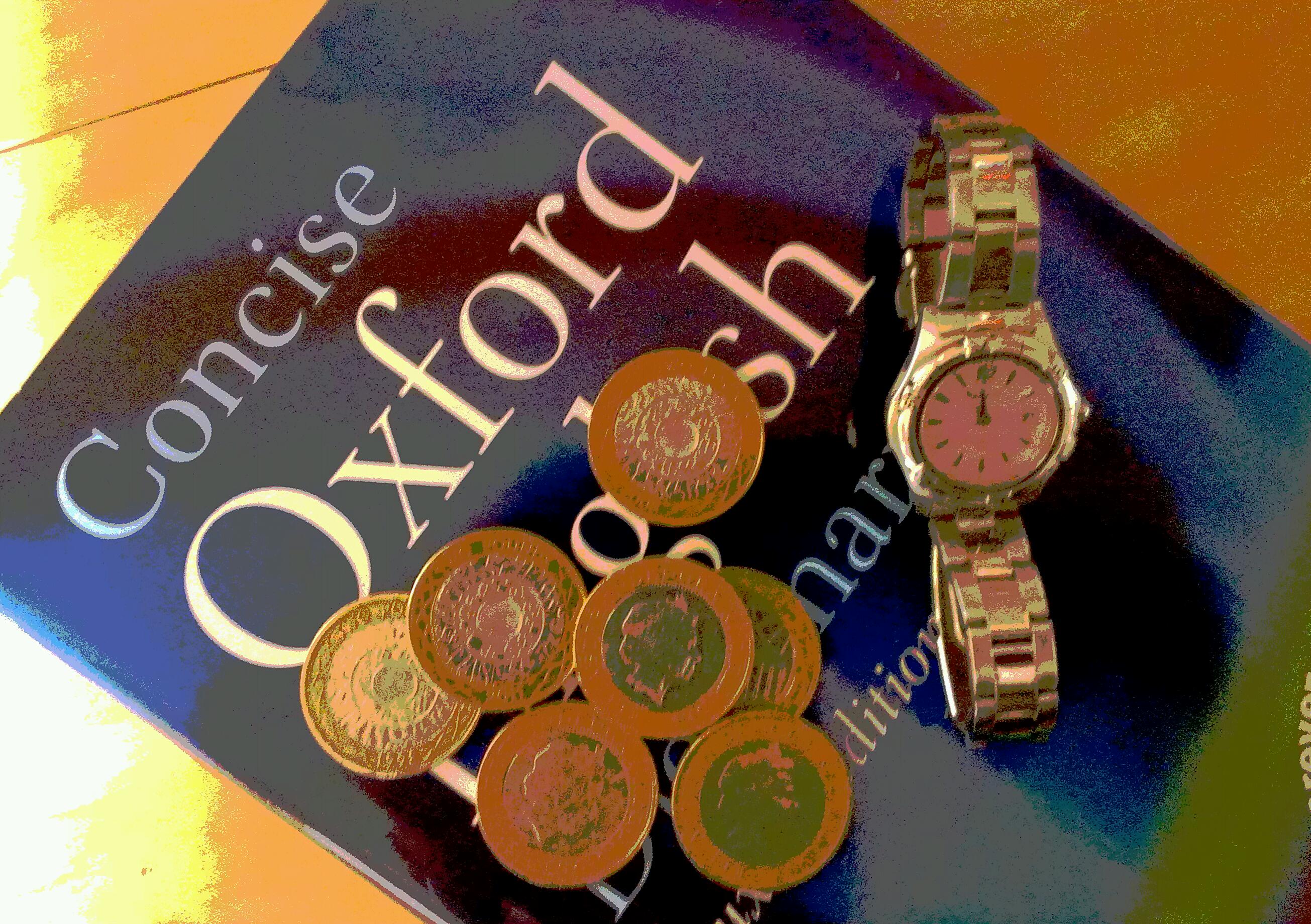
dictionary coins watchYou want to invest in something, but how do you know when it’s worth it? Is it worth laying out a sum up front, or is it always better to save up first? In this article I reflect on some purchases I’ve made which have been worth it (and some that haven’t), and discuss how you tell if they’re going to be in advance.

How do you tell whether an investment is worth it?

Investments for a small business can be broken down into

  • Outsourcing (paying other people to take on tasks you might do in-house)
  • Products, materials and services
  • Training

Is it worth outsourcing this task?

In a previous post, I talked about how to tell when it’s time to outsource a task to do with your business. My rules then were:

  • If you’re rubbish at doing something and I’m good at it, outsource it to me (even if you’ve got the time to do it yourself or it’s going to cost you more per hour)
  • If the time it will take you costs more in your worth per hour than it would cost to pay someone else to do it, then outsource it (e.g. transcribing your interview will take you 6 hours and you’re worth £40 an hour (£240) – better to send it to me who can do it for you for £60.

This links into a couple that are about time:

  • If it’s going to take you 6 hours to do but me 3 hours to do, then outsource it to me
  • If it’s going to take you 6 hours to do and me 6 hours to do, but you don’t have those 6 hours free, then outsource it to me

But you can add in some other factors, too, such as the boredom factor:

  • If you’re perfectly able to do the task and it would cost more to have someone else do it, but it bores you to tears and you never get round to doing it until it turns into an unholy mess, outsource it to me.

This last one is how I decided to hire an accountant to do my accounts and my bank reconciliation.

Is it worth buying this product or service or these materials?

That’s all about outsourcing. What about investing in products and services? These are my rules:

  1. If it will make my work more quick or more efficient – consider buying it
  2. If it will make my records more secure – consider buying it
  3. If it will advertise my services to my core market – consider buying it (for a year on a trial)
  4. If it costs under £100 – go for it

Points two and four combined to make me buy my external back-up drive and my professional version of my transcription management software.

Points three and four combined to make me sign up for membership to Proz (a jobs board service), which I’ve stayed with, and other sites and associations, which I have trialled and haven’t stayed with (see section on Return on Investment in the next article).

Of course the £100 level is an arbitrary level I selected. In fact, I didn’t select it consciously: I’ve just noticed that that’s the level I’m comfortable with.

Regarding materials, I don’t use materials in my editing business. But the golden rule here has to be:

  • Will the price of the item you’re making be higher than the cost of the materials? If not: find cheaper materials or adjust your prices within sensible limits

Is it worth buying this training course?

And a special consideration on training, as this is something I have been pondering and decided not to invest in:

  1. Is the training run by an accredited provider that is respected in my industry?
  2. Does it train me on something I will use in my everyday work life?
  3. Will it add a skill to my portfolio that I
    • know there is a market for
    • will enjoy doing
    • have got time to commit to fully once I’m trained up?

Point two helped me decide not to take the training provided by a well-known and respected association in order to gain qualifications with them, because they are all about editing on paper and I have done one job on paper in four years.

And the last bullet in point three is how I decided NOT to pursue training in the art of indexing. Yes, there’s a market for it; yes, I would enjoy doing it; but no, I have a full roster of valued clients at the moment. If I was to take on indexing work, something would have to give: either my evenings and weekends, which I have pretty well reclaimed from Libro, or one or more of my current customers. I wasn’t ready for either of those scenarios, so let it go.

Do I invest in advance or arrears?

This is a tricky one. I’m facing it at the moment with my book.

I really want to publish a print version of my e-book. I’ve got some quotes for producing the back and spine cover art and wording, and for producing it as print-on-demand and fulfilling it via the online bookshops. I would be able to buy copies for myself and sell them at events. I’d also have a physical book with my name on.

I was always adamant that the book needed to pay its way, i.e. I wouldn’t do new or paid-for initiatives until the book had actually brought in the money into my bank account to pay for it. Ignoring the hours I put into writing and promoting the book so far, I would need to sell approximately five times as many e-copies as I have already to pay for the setup, design and print-on-demand service (the fulfilment cost comes out of the profit on each copy).

I should make at least twice the profit on each print copy that I sell as I do on the e-books, if they sell.

Do I wait until I’ve made that money to go ahead? Do I wait until I’ve made half of it and then risk the other half, assuming it will take me half as many books sold in print to get the investment back? Do I do it now and hope I sell 2.5 times the books in print that I’ve sold in electronic form to pay myself back?

Before, I’ve always waited until I have the money put aside before I buy something – I didn’t invest in my new PC and laptop until my Libro business had been going for a couple of years and I had the money in the bank (were they worth it? Read next week’s article to find out!). But I’m eager to get those print copies out there … and I really don’t know what to do at the moment.

How do you choose how to invest / whether to invest?

How do you make your decisions? Have I missed something here? I’d love to know your thoughts – do post a comment! And … should I make a leap of faith and invest in print copies of my book? Help me to decide!

In the second part of this article, I talk about how to calculate your return on investment, and I’ll be going on to share what’s been worth it for me (and some other people) – and what hasn’t.

RELATED ARTICLES

Working out Return On Investment

What is worth it for me?

Interested in finding out how I made the transition from part-time to full-time self-employment and built my business safely and carefully? Take a look at my new book, out now!

 
8 Comments

Posted by on May 15, 2013 in Business, New skills


Tags: , ,

Paul Alborough

Welcome to a fab new Saturday Business Chat! Today I’m thrilled to feature my old friend, Paul Alborough, aka Professor Elemental, a rapper – but wait – in the Brit hop tradition, all Steampunk and Englishness and marvellousness.

Back in the day, we used to commute up to Barnet together. I’d be reading the latest tome from my TBR, and Paul would be scribbling lyrics on an A4 pad. One of the most memorable features of my time at that company was the off-the-cuff rap Paul did for me at my leaving tea. Since then, he’s devoted considerable time and effort to building his music career, and is now doing Professor Elemental stuff full time – well done, Paul! Let’s find out how he did it. And you HAVE to look at his videos. Remember Tone and his model dinosaurs? This stuff is just as cool. Don’t I know some excellent people!

What’s your business called? When did you set it up?

Professor Elemental is the name of the business and the character that I perform as. I have been working full time as the good Professor since January 2012.

What made you decide to set up your own business?

I was quite happy just rapping as a hobby to supplement my day job, then was lucky enough to enjoy a bit of success with it. As the amount of work as an emcee grew, so did my day job career (as a teacher), and I was forced to choose between the two. Inevitably, being a mad professor was more interesting than being a regular teacher.

What made you decide to go into this particular business area?

It was only as I got more into doing shows and realised that it was a possible way to make money out of rapping without being signed. I’ve always loved emceeing in it’s many different forms.

Had you run your own business before?

Nope. I have done a lot of rap workshops, but never as a full-time business.

How did you do it? Did you launch full-time, start off with a part-time or full-time job to keep you going … ?

I ran the two parallel careers for about a year. This was a very stressful in itself, but did allow me to keep the risks to a minimum when I finally made the jump into ful- time creativity. It feels a lot nicer risking everything when you have a bit of safety net either financially or in terms of other work.

What do you wish someone had told you before you started?

‘ITS LATER THAN YOU THINK! Sort your life out, you lazy sod!’ I would have liked them to have shouted that to me while shaking me by the lapels. I probably would have cried, but it would have been worth it.

What would you go back and tell your newly entrepreneurial self?

I am still pretty new I suppose- but I am definitely learning that people value you more if you value yourself. Both creatively and financially.

What do you wish you’d done differently?

Got started earlier and not been so pessimistic about my chances of doing this for a profession. I might have saved myself a few years of life wasted in call centres.

What are you glad you did?

Working with other people. Working for yourself doesn’t mean that you have to shoulder it alone and having a good accountant, amazing booking agent and brilliant folk to collaborate with makes the whole process more fun.

What’s your top business tip?

Acheiving your dreams is entirely possible. Particularly if your dreams are relatively modest.

Oh, and be nice to people at every level of your business. That really can’t be overstated.

How has it gone since you started? Have you grown, diversified or stayed the same?

I have diversified as much as possible. I’m trying to say yes to as many good things as possible and it’s leading to some brilliant, unexpected places. So far there’s been a comic, a web series and some most unexpected gigs.

Where do you see yourself and your business in a year’s time?

I’m thoroughly enjoying the freedom to take the professor character into some new and exciting places. There are a few things in the pipeline that might change my life completely. And if not, if things carry on just as they are, then I will be very happy indeed.

I don’t usually include people’s answer to the last question in the published interviews, but I had to here …

Are you happy for me to contact you in a year’s time from posting the interview, to see how you’re doing and conduct another short interview?

Yes, unless it has all gone wrong and I am destitute , living underneath Brighton pier. In which case another interview might be too depressing.

Somehow, I don’t think that will be the case! But isn’t it interesting that in the world of rap and the world of editing, we still like to do things carefully, have backup and do things nicely! Good luck to Paul / the Professor and his modest ambitions!

The Professor Elemental website can be found at www.professorelemental.com and I recommend taking a look at his rather marvellous YouTube videos. He’s on Facebook, and of course you can get in touch via email.

If you’ve enjoyed this interview, please see more freelancer chat, the index to all the interviewees, and information on how you can have your business featured.

 
8 Comments

Posted by on February 23, 2013 in Business, New skills, Small Business Chat


Tags: , ,

Top Ten Tips for Working with Clients

As a freelancer, I’ve spent three years (so far) learning how to deal with lots of different clients. I hope that these tips will help you get the most out of the relationship. If you work with freelancers, you might find this article useful, too.

1. Communicate

This is the top tip, and comes into many of the other sections. Be clear about what you do, how much it costs, and when you can do it. Communicate the way in which you work to your client up front. Keep on top of the project and let them know how it’s going. Tell them what to expect, then fulfil that expectation and communicate that you have done so.

2. Manage expectations

It’s always best, in my opinion, to promise low and deliver high. I always add a little time when I’m offering a deadline, and almost always exceed expectations that way. If you are going to miss a deadline, let the client know – this only usually happens when it’s the client who sets the deadline. I’ve only missed one deadline, by half an hour – but there was good reason for it, and I let my client know in advance.

If you’re undertaking a project for someone and they’ve not used a freelancer before, explain the process and what they can expect from it. If you need to tell clients about your terms and conditions, send those along with your initial quotation. If an urgent job will cost more, tell the client in advance.

If you can’t offer the service you would want to offer, a “no” said honestly and in good faith is better than a “yes” that isn’t meant. Your client will respect you more for it.

3. Keep to deadlines

If you promise to return a piece of work to a client by a particular date and time, do your utmost to do this. Work all night if you have set an unrealistic deadline (and learn from that!). When I started freelancing, I found that freelancers have a very bad reputation around this issue. Ignoring deadlines makes you look arrogant at best, incompetent at worst. It’s not hard to plan ahead, and it’s not hard to say no (eventually).

This also applies to invoicing. If I’ve arranged to invoice the client directly after finishing the work, I do so. If they are on a monthly invoice in arrears, they are sent their invoice at the end of the month. If this is a bit much, it’s something you can easily automate or outsource.

4. Treat your client as a human being

Even if your client is a huge faceless entity, you will be dealing with a person at that client. Remember that they’re a human being, with other concerns than you and the project you’re both working on. They may be trapped between you and their own boss or client (I work for several freelance journalists and translation agencies, for example) and may have other pressures. If they’re a student or a new member of staff, they may be unsure as to how to work with you!

5. Inform your client about your availability

If you’ve got a holiday booked, you don’t work on weekends, or you stop at 9pm at latest, let your clients know. When I book a holiday, I send an email to my main regular clients a few months before, remind the biggest ones a month before, put a note in my signature then set up an auto reply on my email. Out of courtesy, I do communicate with them by email when I’m away, but only to remind them I am away!

6. Have backup

For my major clients, I have colleagues who do the same line of work as me and can pick up work if I’m unwell or on holiday, or very busy with a pre-booked job. I also have a list of people I can refer clients on to if I can’t book them in myself.

7. Respect your clients

Professionally and personally. You’re the expert in what you do, but they’re the expert in what they do. Treat them as you would expect them to treat you. Be as robust as you need to be, but always be courteous.

If you feel the need to let off steam about a tricky client or project, please do it privately! I have a private group of fellow editors who I can ask questions and share good and bad days – and sometimes people do make us a bit cross, but just don’t broadcast this in public. It’s not very professional, and it can reflect on you very badly.

You may have specific points with this according to the industry you’re in. I personally avoid pointing out horrible grammar and spelling mistakes on signs and menus in public. Amusing as I find these, a lot of my clients are using English as a second or third language, have issues with their English skills, or are just not very confident, and the last thing I would want to do would be to be seen to be mocking less-than-perfect English.

8. Work with your client’s working methods

You have to be flexible if you’re going to be good at freelancing for different clients. They all have different requirements and ways of working, and my reaction to this can go from noting which transcription clients need a time stamp every 5 minutes and which need it every 10 minutes, to communicating via email, the phone or a face-to-face meeting, whatever the client prefers.

I do impose my own working methods on them to an extent, for example encouraging them to use comments and Track Changes to comment on texts I’ve produced for them. But if they choose not to do that, I’ll work with how they want to work.

9. Share the joy

I have a list of people who do what I do who I will recommend to any clients I can’t fit in. I don’t consider them as competitors – yes, we’re in the same line of business, but everyone gets work they can’t do for whatever reason, and I’d rather have a known person I can send them to, knowing they are likely to do a decent job. This saves clients (particularly students) from getting ripped off, and I think it presents a professional attitude to the prospective client, too.

10. Say thank you

I try to say thank you whenever a client pays me. I also thank them for being particularly good clients – the student who doesn’t automatically “accept all changes” but asks me questions about their English, the writer who’s produced an interesting book … and if a client has a product or service I think is particularly good, I’ll pop a link on my links page here and tell people about their book, service or product. It doesn’t cost anything to say thank you, after all, and it gives your client a great final impression of you!

I hope you’ve found these top ten tips for working as a freelancer helpful. If one has struck you as particularly useful, or you have others to suggest, please comment. And you might be interested in my top ten tips for clients working with freelancers!

Why not have a look at my other tips for freelancers, small businesses, etc. – roam around the right-hand sidebar or click on the links!

 
11 Comments

Posted by on September 19, 2012 in Business, Organisation


Tags: ,

Top Ten Tips for Working with Freelancers

As a freelancer, I come across all sorts of clients and all sorts of behaviour. If you want to get the best out of the freelancers you use, whether you’re a tiny company outsourcing to an accountant and a copywriter or part of a huge tech company with hundreds of freelance programmers on your books, these tips will help you get the most out of the relationship.

1. Communicate

This is tip number one, and feeds into so many others of the top ten. Be clear in your initial communications. Express your requirements clearly. If anything changes: the project, the deadline, the date you can deliver the project to them, your expectations – tell your freelancer. They’re not a mind reader: you need to tell them.

2. Manage expectations

If you commission a chatty, friendly blog post and you get a piece of corporate spin, did you really express what it was that you wanted? Again, freelancers are not mind-readers. A good writer can write in whatever style you want – but they do need guidance. Like a computer, a freelancer will absorb your instructions and produce output to the brief given.

A good freelancer will check what you want, and in some cases will send you over a questionnaire to fill in or have a chat with you over the phone. Use this opportunity.

3. Keep to deadlines

If you promise to deliver a project specification, a document, a set of keys, whatever, to your freelancer, on a particular day at a particular time, then either keep to that agreement or, if you can’t, let them know as far in advance as you possibly can. Everyone has sudden last-minute issues and no one minds that, but freelancers do mind booking in a job, possibly turning away other clients because that time is booked, then no work arriving.

Similarly, if your end deadline changes, keep your freelancer informed, give them the chance to adjust their schedule, and understand if they can’t. Perhaps you’re a journalist and your editor changes when they need that interview write-up – let your transcriber know as soon as possible and show willing to pay an urgent fee or make the deadline as flexible as possible.

This applies to payments, too. Make your company’s payment schedule clear in advance (no – “oh, yes, it’s a 60 day payment schedule; didn’t I tell you?” please) and make sure you pay on time or let the freelancer know if you can’t.

4. Treat your freelancer as a human being

This seems to apply especially in office-type services, such as editing and virtual secretarial services. Several colleagues have commented privately that they feel like some of their clients think of them as a piece of office machinery, like a printer or network cable, and are then scandalised when real life – an emergency, a holiday – intervenes. Just because you can’t see your freelancer doesn’t mean they don’t have a face and a life! (I’m lucky, pretty well all of my clients treat me well and even let me go on holiday occasionally!)

5. Inform your freelancer about your availability

If you’re going on holiday, or you don’t work Mondays, let the person you’ve commissioned know. They might have a question and not be able to get in touch with you. Leading on to …

6. Have backup

Is there someone else in your organisation who could pick up the reins with your freelancer(s) if you were to go off sick or go on holiday? I’ve had situations where my contact at a client’s office has gone out sick, and no one’s been told about the projects I’m working on or when I should be paid.

7. Respect your freelancer

Professionally and personally. They’re the expert in what they do, just like you’re the expert in what you do. You’ve hired them to do a job, so let them do that job. If you feel you know how to do whatever you’re asking them to do, remember that it might be a part of your job, but it’s their speciality. Of course it’s fine to ask questions, but if you’ve chosen right, from a recommendation or by checking out the freelancer’s references and experience, let them get on with their job.

Having said that, I’m pretty sure I’ve typed some terrible mis-hearings into transcriptions I’ve done for clients, but I’ve never (thankfully) seen them laughing about it in public. Don’t make assumptions about their private life – it’s polite to ask if they mind working through the weekend on your project, even if they’ve done so before. I don’t mind working odd hours for my clients, as I make up for it with long lunch breaks with gym sessions and a sit in the garden, but I appreciate it when they realise that I have a life, too!

8. Work with your freelancer’s working methods

Although a good freelancer will adapt the way they work to suit you to a certain extent, there are times when you need to fit in with how they work. For example, if a client needs to comment on a text I’ve produced for them, I request them to do so in Track Changes, rather than colouring in bits of text and writing comments in the text. It’s easier for me to work my way through the comments, saving the client time and money if they are on an hourly rate, and I will always take a moment to explain how to do it.

9. Share the joy

If someone does a good job for you, offer them a reference or testimonial. Tell other people about their services. I get most of my work through recommendations, and it’s a great way for clients to get freelancers they know will be good, and freelancers to get clients who are likely to go with them because their friend or colleague has recommended them.

A freelancer who knows you’ve recommended them on to your friends and colleagues will be more loyal to you. They’ll want to do a good job for you, so you recommend them again!

10. Say thank you

On the day I wrote this post, I’d been up since 5.30 am to turn around a very urgent project for a client. What really did make that worthwhile? The client coming back to me to say a big thank you. It really does matter; it doesn’t take a moment, and it cheers everyone up.

I hope you’ve found these top ten tips for working with freelancers helpful. If one has struck you as particularly useful, or you have others to suggest, please comment. And you might be interested in my top ten tips for freelancers, too!

Why not have a look at my other tips for freelancers, small businesses, etc. – roam around the right-hand sidebar or click on the links!

 
4 Comments

Posted by on September 12, 2012 in Business, Organisation


Tags: ,

Sally Evans-Darby

Welcome to Saturday Business chat. It’s time for another new chat today, and we’re meeting Sally Evans-Darby from Write Sense Media, a very new business, which has only been going for a few months. Sally’s had some very nice things to say about this interview series: when asked if it’s OK to contact her in a year for a catch up, she said, “Absolutely – and thanks so much for this one! Great way to encourage people to reflect on their own businesses, but more importantly, to build up an information database of lots of different people’s experiences. It’s always so useful to read about others’ experiences in something you are thinking of trying out” – which is great for me to hear.

I do meet people who read all of these interviews and find them useful – if you’re one of them, do post to let me know! In the meantime, let’s find out what Sally has learned so far …

What’s your business called? When did you set it up?

Write Sense Media – launched in February 2012. The name was a suggestion from my other half and it just stuck. Write Sense Media offers proofreading, editing and writing services.

What made you decide to set up your own business?

I’ve worked both in-house and freelance as a proofreader and writer, but mostly in-house (read: full-time, 9-5 day job with ‘living for the weekend’ mentality and everything else that lifestyle comes with!). I had thought about being purely freelance before but just didn’t think I would be able to sustain it as a living. Then came a brainwave in the early part of this year where I realised that working freelance was exactly what I needed to be doing. Looking at my life and my career as a whole, I just couldn’t see myself always working in an office for an employer. There would have to come a time where I did the work I love (i.e. editing, proofing, writing) but for myself and with my own values/strategy rather than the views of my employer. So I thought, why not now? Life is short; I decided to just go for it.

What made you decide to go into this particular business area?

I’ve always been into words, whether that’s word-play, crosswords, finding out new words, learning about language. Plus, I’ve always been a mean speller! In primary school I remember the class being asked to look at what the difference was between an old map listing a village as ‘Bishop’s Lydeard’ and a new one as ‘Bishops Lydeard’. I was the only one who noticed the missing apostrophe in the new version. I guess you could say I’ve always had a knack for looking at words, the way they’re presented, and picking them apart.

I love words. As a lot of logophiles will say, I’m terrible with numbers – figures don’t make sense to my brain, but letters do.

I should mention too that I hadn’t realised until this year that there was a genuine career path budding editors/proofreaders can take. The internet is a wonderful resource in this respect. Browsing other proofreaders’ websites, including yours, Liz, made me realise there was a whole world out there of people who read, edit and write for a living – and I wanted to be part of it.

Had you run your own business before?

No – the idea of ‘running my own business’ has always been something I’m slightly sceptical about. I don’t see myself as the particularly entrepreneurial type and I worried about practical things like sustaining this in the long-term. But making the leap and deciding to have my own business was completely the right thing for me. I just had to realise that.

How did you do it? Did you launch full-time, start off with a part-time or full-time job to keep you going … ?

I still had a full-time job when I started up Write Sense Media, because I knew it was going to take time to build things up: create and add content to a website, start a blog, start networking, start making contacts with clients. I see my business as a huge round object that started off stationary, and which took a lot of effort and work to get rolling. Once it was rolling, however, its own momentum keeps it rolling. It’s just that initial struggle into being that every business must go through that means you have to keep a job at first, unless you’ve had the foresight to build up a nest egg beforehand.

What do you wish someone had told you before you started?

That it would take some time but I just had to hang in there and things would work out.

What would you go back and tell your newly entrepreneurial self?

To devote every spare hour I could to Write Sense Media. That I was on the right track and I just had to keep going.

What do you wish you’d done differently?

I wish I’d been able to devote more time to it and of course it would have been a luxury to not have to work full time at the same time.

What are you glad you did?

I’m glad I made my website one of my top priorities, and that I went to my brother, Scott Darby (http://scottdarby.com/), for his invaluable help with this. I’m not the most technical person, so him helping me with this was essential! I’m proud of the result and feel it represents me and my business well, so I’m glad I took the time to make this happen.

What’s your top business tip?

Be yourself. Don’t try to be someone you’re not – whether you’re using your ‘voice’ on the internet, phone, in person, always just be yourself. People respond to people who are human. Also never act desperate, even if you are!

How has it gone since you started? Have you grown, diversified or stayed the same?

So far, in the short time since I started Write Sense Media, my overall ‘vision’ has pretty much stayed the same. I expect things to change though in the future and am open to change. I’m ready to roll with the punches, and keep my business current and alive.

Where do you see yourself and your business in a year’s time?

I truly hope to see my business flourishing and for me to feel much more in control of my life! I hope to have a diverse client base and to have built up lots of long-lasting relationships. I hope to have been to a few SfEP (Society for Editors and Proofreaders) events and to have met other people working in the same field.

I do like “never act desperate, even if you are!” and I’m glad to have been something of an inspiration. It can indeed be frustrating starting up part time and not having all the time you want to devote to your new business, but it’s also a safer way to do it for those of us who are maybe not the traditional type of entrepreneur. Good luck, Sally, and I’ll look forward to seeing how you’re getting on in a year’s time!

Read Sally’s 2013 interview.

Oh, and for anyone who is curious about why I feature people you could see as competitors in this series; I’d rather see them as colleagues! And it’s worth remembering that much of the interest I get in my own blogs and website is generated by so-called competitors, something I talked about a few weeks ago.

You can find Sally’s website at www.writesensemedia.co.uk and, of course, email her.

If you’ve enjoyed this interview, please see more freelancer chat, the index to all the interviewees, and information on how you can have your business featured.

 
7 Comments

Posted by on July 14, 2012 in Business, New skills, Small Business Chat


Tags: , ,

Sian Edwards

Welcome to Saturday Business chatToday I have the great pleasure of introducing Sian Edwards, a friend and fellow home-worker who lives locally to me. If you do work from home, it’s great to have local people around who you can meet for a coffee and a chat when work and time permit. Sian also told me about proz.com, which is a great resource if you’re a translator or, like me, you do localisation, as it puts you in touch with customers all over the world.

It always makes me happy to see how much my interviewees love their work, and here’s another person who does! Let’s meet Sian …

What’s your business called? When did you set it up?

I trade under my own name and have been a freelance translator since 2006. I worked in various roles at three different translation agencies before taking the plunge.

What made you decide to set up your own business?

I wanted the flexibility to fit my work around my family life.

What made you decide to go into this particular business area?

I have always enjoyed translation, ever since I was a student. I enjoy it so much that it hardly feels like work! So it was an obvious step for me.

Had you run your own business before?
No.

How did you do it? Did you launch full-time, start off with a part-time or full-time job to keep you going … ?

I jumped in at the deep end. I’ve been a full-time freelancer from the start. But I did have a lot of work from my former colleagues already lined up.

What do you wish someone had told you before you started?

Don’t rely on just one or two clients. I lost my major client after a few months and, although I was able to replace them fairly quickly, I could have done without the panic!

What would you go back and tell your newly entrepreneurial self?

Get some business cards printed, go out and network! Don’t sit in front of the computer by yourself all day. It will be good for your state of mind and you might even get some work out of it.

What do you wish you’d done differently?

I wish I’d made the effort to find out more about accounting and tax when I started. Some kind of course or workshop would have been a good idea. The transition to paying six months of income tax in advance came as a particular shock.

What are you glad you did?

I’m glad I was bold. It’s not in my nature at all, as I’m quite a shy, introverted person, so approaching people I knew in the industry in the hope that they would send me work felt a bit cheeky. But it worked and gave me a much-needed boost at the start.

What’s your top business tip?

Don’t be afraid to say no. If you don’t have the time to do a good job, it’s better that you don’t do it at all.

How has it gone since you started? Have you grown, diversified or stayed the same?

The amount of work offered to me has gone up and up. At the same time the type of work I do has become more specialised.

Where do you see yourself and your business in a year’s time?

The same, but with a tidier office!

Ah, yes: the double tax thing (which I blogged about when it hit me). I found it so helpful to do my course at the beginning of my freelance life (see my post about setting up your own business for links) and don’t know how I’d have coped without it. Good luck with that tidy office, Sian!

Sian can be contacted via her profile on www.proz.com. She does German to English translation.

If you’ve enjoyed this interview, please see more freelancer chat, the index to all the interviewees, and information on how you can have your business featured.

 
1 Comment

Posted by on June 16, 2012 in Business, New skills, Small Business Chat


Tags: , ,

Tammy Ditmore

Welcome to Saturday Business chat.Today’s Freelancer is Tammy Ditmore from eDitmore Editorial Services, who I know through a network of editorial professionals we both belong to. Tammy’s one of our newer businesses, having been going for around 18 months (this time round), and is one of our freelancers based in the US – but as you can see, we all have similar issues and learning curves, wherever in the world we might be!

Tammy has some interesting things to say about the difference between being a freelancer and running a business, and also about the resources that are out there for both business people in general and editors in particular.

What’s your business called?

eDitmore Editorial Services.

When did you set it up?

January 2011.

What made you decide to set up your own business?

I had been working as the managing editor of an academic journal for more than five years, but the situation had become very stagnant and I wanted something different. I wanted to edit more and manage less. I applied for several editing and/or writing jobs in my area and got nowhere—I couldn’t even get an interview. I finally decided it was time to return to freelance editing, which I had done before I started at the journal. But when I freelanced before, I never thought of it as a business; I just took whatever work happened to come my way. This time I wanted to be more official. So I established a name, created a website, and set myself up legally as a “sole proprietorship”.

What made you decide to go into this particular business area?

I have been involved in editing in one way or another for about 30 years. I graduated from college with a journalism degree and spent more than 10 years in various editor roles at several daily newspapers. I left newspapers when my oldest son was a baby and wound up working from home as a freelance editor, proofreader and writer while my kids were young. Then I took the academic journal position, and learned more about running a business. By the time I started my business, I had editing or writing experience in a number of styles and publications.

Had you run your own business before?

Although I had worked as a freelance editor for a number of years, I had not thought of myself during those years as running a business. I did not have a business name; I did not market or advertise; and I never thought of myself as a businesswoman. When I decided to leave my position with the academic journal, I knew I needed to do things differently. I wanted to see my work—and I wanted other people to see this—as my business, not just something I was doing until I could get a real job.

How did you do it? Did you launch full-time, start off with a part-time or full-time job to keep you going … ?

While I was still at the journal, I made my business plans and did the preliminary work, like getting a logo and a website. By the time I left that job, I had one contract that I knew would keep me very busy for a few weeks and would provide some steady work throughout the year. I was lucky; I could take some risks because my husband’s job was very safe and I didn’t have to worry about insurance benefits since our family was insured through him. That made it less risky for me to step away from the steady paycheck.

What do you wish someone had told you before you started?

I wish I had known how many resources were available to help get me started, such as editing classes and training, list-serves and discussion groups, online invoicing, etc. I did not need to reinvent so many things—it was all out there but I didn’t know where to look for it.

What would you go back and tell your newly entrepreneurial self?

“You don’t have to go it alone,” and, “You know more than you think you do”.

What do you wish you’d done differently?

I wish I had taken more time off between finishing my journal job and really plunging into work on my own. I think it would have been good to take some editing classes and just spend some time thinking about what I wanted to do and how. I expected to have slow spells in my first few months where I could focus on such things, but I never really did.

What are you glad you did?

I’m glad that I paid to have a logo designed around my business name and that I was able to get a professional to design my website. Both turned out better than I had envisioned and are definitely memorable.

What’s your top business tip?

It’s not a very original one—I would say you should network. Join professional organizations in your field; volunteer for specific roles; and tell everyone you know about your business. Some of my best and most unexpected business has come from very unlikely places.

How has it gone since you started? Have you grown, diversified or stayed the same?

Much better than I had expected. I almost doubled the income goal I had set for myself for the first year, and I have turned away work on several occasions. Even more important to me, I have been able to work on a wide variety of publications and manuscripts for a variety of publishers, authors, and students. In a little more than a year, I have worked on books and articles about Puritan theology, international counter-terrorism tactics, Christian ethics, Facebook advertising, the original Saint Nicholas, and successful car dealers, and I have just started editing my first novel. Also, I am truly enjoying learning more about today’s rapidly changing publishing world and how to market and run my business. I have started to think more like a businesswoman in addition to thinking like an editor.

Where do you see yourself and your business in a year’s time?

I am considering some steps now to raise my business profile and visibility, so I hope that by this time next year more people will know about eDitmore Editorial Services.

I know what Tammy means about expecting a slow spell between finishing the day job and launching the business – I thought that about Jan/Feb 2012, but went straight into full-time busy-ness. Still, it’s good to be busy! And I wish Tammy all success through this next important year for her business. Read her 2013 update here.

Tammy’s website is at www.editmore.com and you can of course contact her by email. She’s based in Califormia.

If you’ve enjoyed this interview, please see more freelancer chat, the index to all the interviewees, and information on how you can have your business featured.


Tags: , ,

Is it actually worth the stress?

I was chatting to a business associate the other day. He’s enjoying his high-powered, high-stress and, let’s be honest, high-earning position, managing all sorts of change, rushing around here, there and everywhere … or he thinks he is.

Actually, he’s plagued by all sorts of niggling illnesses, that have become worse. Nothing that’s putting him in hospital, but things that are affecting his quality of life, outside work more than inside, and can’t be ignored.

So, is it worth the stress?

Downsizing your life, downsizing your stress levels

I can claim to be a bit of an expert on this, from personal experience. Having been doing a management-level, fairly demanding job in London, when we moved to the Midlands I was determined to have “a job”. In fact, we both agreed we would indulge ourselves for a year, M going back to post-graduate study and me looking for a basic level library job.

I had a bit of trouble, as a qualified librarian, getting a basic entry level job, but I did in the end. Lots of people said I would get bored; my managers tried to encourage me to apply for promotions I didn’t really want. I’d been up the corporate ladder, and I knew that it suited me at the time to have “a job” rather than “a career”, something that would pay the bills but allow me the resources and energy to enjoy my new life in a new city.

So that’s what I did, and I was perfectly content for a good few years. In fact, having that lower-stress, lower-responsibility job allowed me to start up Libro and develop my own business.

Different career paths for different life stages

Now, I could have quite easily chosen to progress through the corporate ranks again, gone for those management jobs, gone for the higher salary, which is always a consideration, isn’t it. But I decided to go this alternative route, and set up the business.

But I did that in as stress-free and risk-free a way as I could (see my article on not taking risks for more information). I’d decided it wasn’t worth the fear of going full-time at the beginning, the stress of having to scrape around for money to live on, etc. Instead, I lived very frugally, scraped together money to live on in advance, and launched Libro full time in January 2012.

Now I have a satisfying job, where I’m responsible to myself and my clients, no bosses, no employees. I earn more than I’ve earned in any of my corporate jobs, and, having identified during my career that I like to work in this way, that I don’t like office politics, being a manager, etc., I can honestly say that, even running my own business where every sick day means income and jobs lost, where I do sometimes put in an 11 hour day, but where I can claim what I know makes me happy:

  • responsibility for myself and my clients
  • no employees
  • no office politics
  • flexibility to juggle my day to fit in friends and exercise

I am as stress-free as I can be. And I have no stress dermatitis, no IBS, I’m fit and healthy and enjoying life.

I’m not boasting about this: it’s taken time to know myself and know what I want, and it’s taken hard work to get here, which hasn’t always been the most fun I’ve ever had. But I’m in my own space now, not trying to jam myself into an inappropriate role, and I’m very much happier as a result.

Know yourself and make the change

The photo at the top of this post? That’s butterflies emerging from their chrysalises. Whether what’s confining you is stress or something else, such as lack of the confidence to break free, surely it’s worth trying to achieve your potential and seeing what you can do … if you just break out of the chrysalis.

My advice to you, if you think you’re stressed, or you don’t think you’re stressed but your body does …

  • Think about what you REALLY want. Is the money worth it? Yes, we all need money to live on, yes, economic times are perilous, but if you can save anything ahead of changing your lifestyle, do it.
  • Think about what you enjoy, what you need, and work towards claiming it.
  • Talk to close friends or colleagues. How do they see your stress levels? What solutions can they offer?
  • Talk to a reputable life coach or careers counsellor. What ideas do they have?
  • Mind-map, brainstorm, go walking for a week, whatever it takes to give you space to think this through.
  • Seek mentors and role models. People have told me my blog posts have helped them on their path to self-employment (hooray!) – look around for people doing what you might fancy doing, and drill down into how they did it.
  • Think laterally. Do you really want to be an architect, or do you want to work for a housing association? Do you really want to be a social worker, or do you want to train as a counsellor? Could you work part time while you pursue your aims?

My “career path”, from corporate ladder-climber to “just a library assistant” to successful small business owner shows that you can step down, sideways, whatever. I’m not a risk-taker, I’m not particularly well-off, and it hasn’t always been easy. But it can be done.

Good luck!

 
17 Comments

Posted by on May 16, 2012 in Business, New skills, Organisation


Tags: , ,