
RSS

Tag Archives: guest posts

Kaitlyn Hatch

Welcome to Saturday Business chat. We’re finding out about a brand new business today: Kaitlyn Hatch has only just launched Me First Life Coaching! Kaitlyn’s one of those natural entrepreneurs, finding out what the word meant when she was 12 and has been producing and selling art and engaging in various business ventures since she was very young. Now she’s a Life Coach, helping other people achieve their goals – although she hasn’t done this particular job before, she can draw parallels between how this business will work and how other endeavours have worked in the past, showing that you can switch emphasis and move between areas in a freelance career.

Kaitlyn’s following the path I took, working full time in a day job at the moment, but planning to transition to part time and then fully self-employed soon (sooner than I did it!). So let’s find out what she’s doing!

What’s your business called? When did you set it up?

I just launched Me First Life Coaching in January 2012, although I did a soft launch of my website in November 2011.

What made you decide to set up your own business?

I have alway been very entrepreneurial. I remember taking a test in a magazine when I was about twelve which said I was extremely independent and self motivated so I’d do well to be an entrepreneur. That was the first time I heard the word and I had to ask my mum what it meant. When she explained it. I remember thinking that owning your own business was a lot of work. I’ve since come to realise that there is a lot of reward in the work involved and, ultimately, I’m better suited to being my own boss than to working for someone else.

What made you decide to go into this particular business area?

Life coaching is a natural choice for me. I love helping people realise their potential and I really enjoy showing people how they are their own greatest teacher. It’s second nature for me.

Had you run your own business before?
Sort of. Since I was a kid I’ve been really good at selling things. I used to hand draw colouring books and sell them door to door in my neighbourhood. From the age of nineteen for four years I set up a not for profit organisation in Canada. For the past three years I’ve been doing my own self marketing as an artist. I’ve held two successful gallery shows, one in Calgary and one in London.

I like making things happen, setting stuff up so it works and can carry on and then moving onto the next thing. This will be a bit different from my previous experience but the principles are the same.

How did you do it? Did you launch full-time, start off with a part-time or full-time job to keep you going … ?

I’m still in the process really. I’ve done a soft launch and then a hard launch. Now I’m working on spreading the word, getting networked through my blog and advertising for clients. I believe goals are super important but I also believe in keeping your eyes wide open. If you focus too much on a single goal you might miss another opportunity that will get you the same end result. For the time being I’m still working full time for someone else, but I’m cutting back my hours and have plans to be fully self-employed by the end of the summer.

What do you wish someone had told you before you started?

Nothing really. I’ve been fortunate in that I’ve had a lot of positive support my entire life. I’ve always believed that you need to just get on and do it. If there’s something you want in life, some direction you’re looking for, a path you want to take, then do it. Now. Life isn’t next week or next month or in a year. Life is right now and it’s up to us to make it what we want it to be.

What would you go back and tell your newly entrepreneurial self?

I think I’ve always been entrepreneurial but I think I’d go back to my younger self and say, “Remember who you are.” I wasted a few years when I forgot who I was, what I was passionate about and what mattered to me. Of course, if I hadn’t have gone through that loss I wouldn’t have learned the lesson and when older me popped up in front of younger me and said such sage words of wisdom, I’d have been more baffled than appreciative. Thing is, I really love myself, who I am and the life I’m leading. I wouldn’t be this person if not for the mistakes and hiccups of the past so I can’t really say I would go back.

What do you wish you’d done differently?

Not a thing. Regrets shouldn’t be about ‘what ifs’ or trying to change what cannot be changed. They’re about learning from your mistakes by promising not to repeat them in the future.

What are you glad you did?

I’m super glad I’ve done it. End of. Full stop. I’m happy to have made the opportunity and taken the plunge.

What’s your top business tip?

Know what you’re worth. I think a lot of people undersell themselves. Whether you’re working for someone else or working for yourself, what is the value of your time?

How has it gone since you started? Have you grown, diversified or stayed the same?

I certainly hope it doesn’t stay the same. Change is constant, growth is important.

Where do you see yourself and your business in a year’s time?

I don’t know that I have a really specific idea of where the business will be in a year’s time. On general terms I see it as self-sustaining, growing at a manageable pace and providing me with a stable income as well as feeding my passion for helping people.

That’s an enviable goal, and what a positive and forward-thinking lady! I’d say these were good attributes for a Life Coach, wouldn’t you?! I wish Kaitlyn every success in her new venture, and look forward to seeing where her new path has taken her in a year’s time …

Note: Kaitlyn’s websites are now not available so I can only assume that the business is no longer running.

If you’ve enjoyed this interview, please see more freelancer chat, the index to all the interviewees, and information on how you can have your business featured.



Tags: , ,

Gillian Linnell

Welcome to Saturday Business chat, and we are all about pets today, talking to Gillian Linnell of the Oldham-based company, GGL Pet Supplies, another new business which opened its doors in 2011 and is not yet a year old. Gillian took a route into business ownership that we’ve not seen before in these interviews, going on an entrepreneurship college course – it just shows the variety of routes we take into our lives as business owners. Like me, to an extent, Gillian has not ended up doing quite what she imagined; having started out in pet gift baskets, she now finds most of her business coming from a different, but related area. It’s so important to be flexible like this, and to both see and take up alternative opportunities as they present themselves, rather than sticking to a fixed idea of what you do. I’m sure flexibility is one of the most important promoters of success – look at Richard Branson, starting a record label and ending up with an airline!

Gillian sensibly took on a part time job while launching her business, making sure she could support herself and keep things going while she established GGL Pet Supplies – hard work, but worth it, I think, for the peace of mind.

So, let’s meet Gillian!

What’s your business called? When did you set it up?

My business is called GGL Pet Supplies, and I set it up in May 2011.

What made you decide to set up your own business?

Mom has advanced Parkinson’s Disease and working full time was taking its toll on me, advancement within the corporate company I was working at was not looking possible and I knew I was capable of much better things.

What made you decide to go into this particular business area?

I have always wanted to work with animals and decided to enrol at college on an entrepreneur course simply making and selling pet gift hampers.  I soon realised that this idea was not going to pay the bills so it quickly changed to a full blown pet store, also offering pet sitting and dog walking services.

Had you run your own business before?

No.

How did you do it? Did you launch full-time, start off with a part-time or full-time job to keep you going … ?

I took a part time job in a bar to help pay the bills whilst the company started to make money.

What do you wish someone had told you before you started?

Don’t spend money on marketing companies which offer Google front page search results when you can do it yourself!

What would you go back and tell your newly entrepreneurial self?

Be confident, trust and believe in yourself, you are unique, and don’t believe everything cold callers say on the phone!

What do you wish you’d done differently?

Not spent a heapload of money on advertising in the wrong places!

What are you glad you did?

Started the pet sitting/dog walking services as this was purely an afterthought, yet it is what is currently booming.

What’s your top business tip?

Stay focused, be persistent, believe. Do not ever give up, but be willing to adapt and change when opportunities arise.

How has it gone since you started? Have you grown, diversified or stayed the same?

The pet supplies is still an ongoing project that I am not really having much luck with, but the pet sitting and dog walking side is booming: I even do horses now. I am pushing the supplies side of things persistently: as I am still in the first year of business, I remain optimistic.

Where do you see yourself and your business in a year’s time?

I would like to be selling the supplies to local people and pet sitting clients and to have a brand and reputation which is very well known and recognised in the local community. Eventually I would like to employ staff and have a  warehouse full of pickers and packers. This is just one ambition – I have a handful of different directions which the company can take.

Reading between the lines here, it looks like Gillian has learned from any early mistakes she made with advertising and marketing – which are always tricky, and there are an awful lot of very persuasive people out there selling such services. She is to be applauded for her positive attitude and perseverance, and I really look forward to hearing about the new directions the business takes in the next year!

You can find out more about Gillian and GGL at www.gglpetsupplies.com and you can  email her or call her on 07717 216 100.

If you’ve enjoyed this interview, please see more freelancer chat, the index to all the interviewees, and information on how you can have your business featured.

 
2 Comments

Posted by on February 18, 2012 in Business, New skills, Small Business Chat


Tags: , ,

Chrissie Metcalfe

Welcome to Saturday Business chat. This morning we’re meeting Chrissie Metcalfe, of Chrissie Metcalfe Recruitment Ltd, who runs her own recruitment agency in West Yorkshire. Chrissie has been going it alone for over a year now, and is probably glad to be in a solid job after experiencing a string of redundancies. It often seems to be redundancy that is the spur for people setting up on their own – sensibly, Chrissie stuck to a work area she knew, but where she also knew she could add value with a personal service and pick up on what the bigger agencies were, in her opinion, losing sight of, having the confidence to this that comes from having been praised by employees and companies for that very aspect of her relationships with them.

Networking has worked well for Chrissie, as it does for so many people – and it’s vital in a business that basically involves connecting people! And she has been sensible in not going for expensive exciting options and learning to get to know people before putting business trust in them, demonstrating that we are all travelling along a learning process here (when I learn something, it usually ends up getting included in my Terms and Conditions!)

So, let’s chat to Chrissie and find out how she did it all.

What’s your business called? When did you set it up?

My business is called Chrissie Metcalfe Recruitment Ltd and it was set up in September 2010.

What made you decide to set up your own business?

Over a two year period I had been made redundant four times by two large recruitment agencies and realised that after eight years in the recruitment industry I wanted to set up my own recruitment agency.

What made you decide to go into this particular business area?

I have always been successful in recruitment and could see that many agencies had lost the personal touch when dealing with candidates and businesses, I had always been complimented by candidates and companies on how well I worked and how I listened properly to their individual needs.

Had you run your own business before?

No

How did you do it? Did you launch full-time, start off with a part-time or full-time job to keep you going … ?

The fourth time I was put out of work was 22nd September 2010, so on that day I went to a web designer with my last wage slip and said, “I need a website, business cards and money left to join a networking group”. Whilst waiting for my business cards and website I spent the rest of 2010 dropping off leaflets, networking and doing everything I could to get my company known. I was doing this alone.

What do you wish someone had told you before you started?

Not to trust everyone who offer to help you. Do your research and get to know people first.

What would you go back and tell your newly entrepreneurial self?

Most definitely to go for it!

What do you wish you’d done differently?

I wish I had started my business before I was made redundant so that I had the money to take on a member of staff straight away, rather than only have one month’s wage to live on.

What are you glad you did?

Joined 4Networking [a business networking organisation with regular breakfast meetings – I’m a member of its online community and have met some of my clients through it]

What’s your top business tip?

No matter how exciting something sounds, if you can’t afford it, don’t do it.

How has it gone since you started? Have you grown, diversified or stayed the same?

My business has grown, I have 12 solid clients and have placed over 20 people in permanent jobs. I am now in an office and starting to look for a member of staff.

Where do you see yourself and your business in a year’s time?

I will have two members of staff and a bigger office. I wont be as tired, ha ha !!

As I come to the end of a very busy week for Libro, I can understand Chrissie saying she’d like to be less tired in a year’s time – however busy I am now, it is nothing to when I had two jobs, and in Chrissie’s case she’s looking to recruit her own staff to help her out – whichever route you take to getting things less frantic, it DOES get better, I promise! See how she was doing in 2013!

You can find out more about Chrissie and her recruitment services at www.chrissiemetcalferecruitment.com and you can  email her or call her at her office: 01977 644 862 or on her mobile: 07805 901 562. She’s based in the Broadland Business Centre in South Elmsall, Pontefract.

If you’ve enjoyed this interview, please see more freelancer chat, the index to all the interviewees, and information on how you can have your business featured.

 
5 Comments

Posted by on February 11, 2012 in Business, New skills, Small Business Chat


Tags: , ,

Charles Davis

Welcome to Saturday business chat. This weekend’s chat is with Charles Davis of Professional Photography.  I met Charles at a local networking event and he is generous at introducing people to each other if he thinks they can help each other at such events, which is very encouraging to new people. He’s also happy to share tips and encouragement with other people about their photography and is generous with re-tweets, etc., in social media circles. Charles has brought his wealth of business and communication experience into his career as a photographer: as well as being good with the camera, a successful photographer must be able to engage with people. Like me, he’s not missing the politics and conflicting priorities that often arise as part of working for a large corporation, instead enjoying being his own boss! And giving back through voluntary work is also important to Charles: in his case this has resulted in new opportunities, too.

Let’s meet Charles and find out about his interesting background and widening portfolio …

What’s your business called? When did you set it up?
My business is Professional Photography, and although I have produced professional quality photography for friends and family all my life, it was formally set up in 2010.

What made you decide to set up your own business?

After successfully growing both responsibilities, my Post as Fundraising & Communications Director for a large Charity was split into two roles for Fundraising & Communications.  I therefore decided to take the redundancy package offered instead of taking one of either of the roles. However, as I felt I had successfully completed my work with the organization and I’m always looking for opportunities, I saw this as a perfect time to start my own business and do something I love.

What made you decide to go into this particular business area?

My father ensured I had a camera in my hands at a very early age and since then I’ve never stopped trying to improve my skills as a photographer.  This, together with my love of beautiful images and state-of-the-art technology, makes for an exciting combination as a 21st century photographer.

Had you run your own business before?

My first career was in the Police Service, where I specialised in the protection of Royalty and VIPs as part of the Special Escort Group, and I further went on to become a Tactical Advisor & Team Leader in Firearms Operations, although the only thing I shoot nowadays is a camera!  Yes, I’ve run a number of different operations, training and consultancy, advanced motorcycling and testing, a national association plus multi-million pound fundraising and communications teams for two high profile charities.

How did you do it? Did you launch full-time, start off with a part-time or full-time job to keep you going … ?

Full-time.  The decision had to be full-time to be able to give the commitment, time and effort to give the business a good chance of succeeding.  Building a client base is a slow but sure process and, as they say in sales, “you’re only as good as your last sale.”  Well, in photography you’re only as good as your last few shoots.

What do you wish someone had told you before you started?

My previous experience prepared me for many challenges in business although I was surprised how many prospect clients are prepared to put up with a low quality or average quality of service from their existing provider and sometimes appear to be too lazy to want to make the effort to change to a new supplier.  Essentially you need to make it as quick and simple for them as possible to make the change, whilst of course providing excellent images.

What would you go back and tell your newly entrepreneurial self?

“I should have done this years ago!”  It’s the truth: I’m totally enjoying myself, doing something that I love with no one pulling you in different directions in terms of objectives, and essentially I don’t have to play the politics that are so often there in large organizations.

What do you wish you’d done differently?

The success of our new website, launched in October 2011, has exceeded my expectations, and looking back, when I started the business in 2010, I should have built a much better website from the start.

What are you glad you did?

Made the decision to do something I love and for myself!  The satisfaction and lovely, lovely comments you receive from clients on completion of an assignment are a great reward as photographer.  It’s not often in life you get to do something you love!

What’s your top business tip?

Network, Network, Network!  As a big fan of social media and face-to-face networking groups, it’s essential to get you and your business out there!  Time-consuming, I would agree, but with relatively no costs but your time, you need to meet new people on a regular basis and have state-of-the-art joined-up social networks.

Also try to give something back: it doesn’t have immediate benefits but long-term you will be surprised at the opportunities that arise.  I’m part of a number of membership based associations, and in particular MIPAA, the Motor Industry Public Affairs Association.  When I started my business, I also put myself forward to join the Operating Committee of MIPAA and its Executive Team.  Since that time, numerous opportunities have arisen from my voluntary work.  This also applies to local charities and new start-up businesses, where I offer to do the occasional photo-shoot to help them with an event or to get their marketing campaigns started.

How has it gone since you started? Have you grown, diversified or stayed the same?
My portfolio of work is broad, and strategically so.  I’m just as happy shooting a Cherish the Dress, Wedding or fashion shoot as I am on a commercial shoot for a product.  Producing the best images possible, with a little editing, can really exceed a client’s expectations, and is so, so rewarding.

Where do you see yourself and your business in a year’s time?

I’ve recently been lucky enough to pick up interest from a number of up-and-coming fashion designers and been asked to become their official photographer, which is flattering to say the least.  Whether reportage, still life, or traditional, using a variety of photographic styles is still key for me when telling the story. My photographic work  offers a visual representation of my unique perspective, exploring the depths of beauty and style, whilst hopefully still portraying elements of the classical. I feel my work retains relevance to 21st century client, and I plan to keep it that way!

It’s amazing that you can meet someone a number of times, have in-depth conversations with them, and never know they have guarded royalty and VIPs! I wish Charles the best of luck with his new and expanding work areas, and look forward to hearing how he gets on over the next year.

Find Charles at his website www.professionalphotography.me.uk, email him, or phone him on 07824 444 487.

If you’ve enjoyed this interview, please click here for more freelancer chat, or here for information on how you can have your business featured.

 
1 Comment

Posted by on January 21, 2012 in Business, New skills, Small Business Chat


Tags: , ,

Liz Broomfield (now Dexter)

Welcome to Saturday Business/Freelancer Chat. And it’s with … well, me! I realised that I should have interviewed myself, plus this will be published on Christmas Eve and it didn’t seem fair to give anyone else a slot when not many people were looking at the internet; this way there will be 50 interviewees, plus me, plus a rest on New Year’s Eve! I run a company called Libro through which I do proofreading, copyediting, writing, transcriptions and localisation for companies and individuals around the world. I have some great regular customers and then do one-off jobs for people too. I’ve launched my business the way that felt comfortable to me as I went along – a “soft launch” which involved me still being supported financially while building the business. Now it’s a whole new chapter for Libro, which is very exciting!

So, I’ve been running Libro for a couple of years now, I went full-time with the business recently, and I’m enjoying that (and writing a blog about it). Here are my answers to my own questions …

What is your business called? When did you set it up?

My business is called Libro. I set it up in August 2009 when a colleague at the library where I worked at the time mentioned he had some students who needed help with dissertation proofreading. It’s blossomed from there!

What made you decide to set up your own business?

I had done writing and editing work in a lot of my previous job roles, and done (unpaid) proofreading and editing for novels and journals in the past. When I discovered a need for my services, and close at hand, I decided to go for it and register my business with the Inland Revenue, etc.

What made you decide to go into this particular business area?

I knew I was good at the work and could provide a good service. As I’ve gone along, I’ve added more services to my portfolio, mainly in response to demand, but knowing they were skills I could cover. I started off working with students, as I used to type up dissertations for people back in my own student days, and I had access to the client base via colleagues, many of whom were post-graduate students who could put up posters for me in their departments or recommend me to their friends.

Had you run your own business before?

No! And anyone who knew me before I launched would be very surprised – I am an unlikely entrepreneur!  Just because I’ve always been in the background, doing admin, setting up systems and helping people, rather than being out at the front promoting myself! I have done a lot of different jobs in several different companies, and those have come in handy.

How did you do it? Did you launch full-time, start off with a part-time or full-time job to keep you going … ?

I worked full-time at my library job from when I launched in August 2009. I went to 4 days a week at the library in January 2011, 3 days a week in May, and officially leave the library completely at the end of December 2011, although holiday owed to me and university general holidays mean that I’ve actually been full-time since December 12.

What do you wish someone had told you before you started?

That I could do it, and that I should have faith in myself.

What would you go back and tell your newly entrepreneurial self?

Go part-time – or more part-time, earlier! Enjoy the process and start a blog!

What do you wish you’d done differently?

I do wish that I’d taken the opportunity to go more part-time earlier. I could have dropped two days at the library from January 2011 but I lost my nerve at the last moment. I then had a very hectic time of it as Libro expanded to fill the space!

What are you glad you did?

Went on the HMRC “becoming self-employed” course. Started my blog – hits on my website increased hugely when I started blogging, and I really enjoy it, too! I listed Libro on a few free ads sites and joined a professional translators’ website which has brought in lots of jobs and a great return on investment. I’m also glad I’ve done it, full stop: I’m really quite proud of what I’ve achieved!

What’s your top business tip?

Trust your gut instinct. Put good systems in place including strong terms and conditions. Treat every mistake and mishap as a learning experience – you’ll get a blog post out of it, at least! And give something back, too. Sharing advice and doing bits and pieces for people I’ve met at the Entrepreneur Meetup and helping out at the Social Media Surgery has helped me stay true to who I am. Oh – and be honest – with your clients, setting expectations – and with your peers. Allow yourself to be vulnerable and seek support from those you can trust.

How has it gone since you started? Have you grown, diversified or stayed the same?
I’ve grown and diversified as I went along. I started off proofreading student dissertations, then was asked to write something; well, I’ve written plenty of procedures and newsletters so went for that. Transcription – well, it’s just audio typing! And being on the translators’ site has brought me localisation work where I can bring my experience working for a US company to bear on helping “translate” text from US to UK English. I’ve basically done anything to do with words, even copy typing. I think it’s important to have a range of services to offer. And I have clients all over the UK and in America, Canada, across Europe, India and China!

Where do you see yourself and your business in a year’s time?

Well, I’ll have been full-time with Libro for a year. Hopefully I’ll be earning enough to support myself, I’ll have taken a holiday or two, and have a good solid roster of regular clients to keep me going.

Exciting times, then, for me, and a good, if different, year ahead! Where was I in a year’s time? Here!

You’re on my website already. You can email me – and you can also find me on Twitter  and Facebook.

If you’ve enjoyed this interview, please click here for more freelancer chat, or here for information on how you can have your business featured.

 
10 Comments

Posted by on December 24, 2011 in Business, New skills, Small Business Chat


Tags: , ,

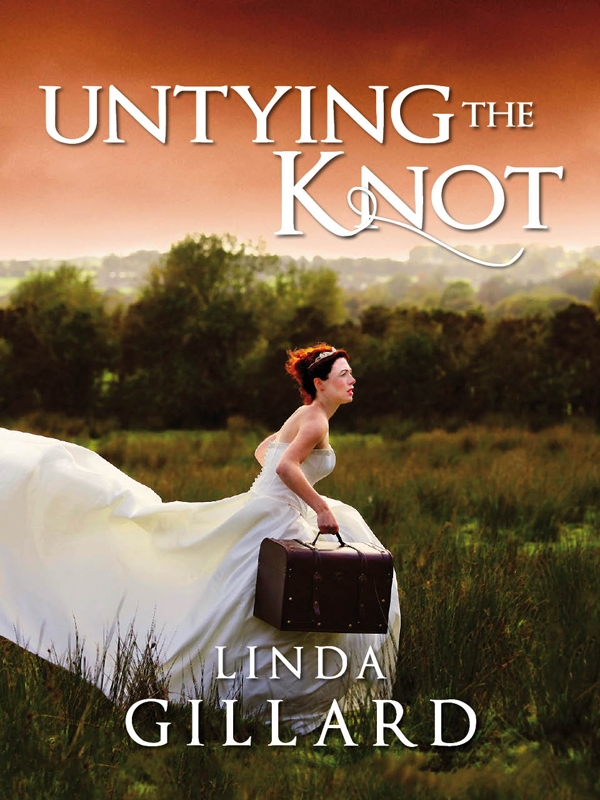
The Right Time To Write – a guest post by Linda Gillard

Friend of Libro (and of Liz), Linda Gillard has been an actress, journalist and teacher and is the author of five novels, including STAR GAZING, short-listed in 2009 for Romantic Novel of the Year and the Robin Jenkins Literary Award (for writing that promotes the Scottish landscape). Her most recent novels, HOUSE OF SILENCE and UNTYING THE KNOT are Kindle bestsellers. To find out more about Linda and her work, do visit www.lindagillard.co.uk

Linda is passionate about helping other people to write; she has regularly offered masterclasses at BookCrossing Unconventions and is Writer in Residence for Durham University’s “Celebrating Science” initiative.

November saw NaNoWriMo (National Novel Writing Month), a  hugely popular highlight in the writing year – and a lot of people will have “won” by getting the requisite number of words down. And that’s great – well done! But what if you didn’t – does that mean you should give up. Let’s hear what Linda has to say, in a special guest blog post she’s written for Libro.

The Right Time To Write

Do you have writer’s cramp? Or typist’s tremor? Did you enter the annual November writing marathon that is NaNoWriMo? (National Novel Writing Month). And if you did, did you finish, or did you give up exhausted half-way through the month?

I’m a professional writer with five published novels on my CV and I’m about to finish a sixth. I write full-time, so I’m not your typical WriMo-er but, encouraged by the buzz and some enthusiastic writing friends, I attempted NaNoWriMo for the first (and probably last) time in 2010.

It was an illuminating experience and taught me a lot about how I write. I gave up half-way through the month with a word count of 26,000. I didn’t abandon my novel, I simply stopped beating myself up about speed and resumed my normal writing pace and methods. I’d discovered that NaNoWriMo was not for me. I’m about to finish that novel which means, like most of my books, it’s taken me a bit more than a year to write.

I made a good start even though I’d not done lot of planning. (I don’t plan my novels very much anyway, so this wasn’t raising the bar for me.) Producing quantities of words isn’t difficult for me, but writing at NaNo speed confirmed for me what I’ve always thought about novel-writing: finding time to write a novel isn’t nearly as difficult as finding time to think a novel.

And that’s what was missing from my NaNo experience. Time to think. I wasn’t day-dreaming, hypothesizing, re-thinking or revising – all those processes that, for me, are what novel-writing is about. I was just producing an impressive daily word count.

My set-up was promising. The writing was competent. Then at 18,000 words things started to get tough. Artistic decisions had to be made and I wanted to slow down and reflect on what I’d produced so far. I knew I needed to get to know my characters better. In short, I wanted my novel-in-progress to develop and mature. But that’s not what NaNoWriMo is about. It’s about “getting all your ideas down”, that and the big confidence boost of actually finishing a draft.

It’s my view that anyone with a love of writing, a vivid imagination, some spare time and some determination can produce a quarter of a novel. Many novels – even those begun by seasoned professionals – are abandoned around the 25,000-word mark. Writers hit a wall. I think it’s because by then, we’ve finished setting up, we’ve created the characters and their environment. What comes next is the hard part: the development and careful structuring of the story so it moves towards the necessary climaxes and resolution. I believe writers only move beyond this point if they really, really want to tell their story (or if they’re contracted to tell it and have a deadline.)

The Canadian novelist Robertson Davies said, “There is no point in sitting down to write a book unless you feel that you must write that book, or else go mad, or die.” I don’t think I’d go so far as to say there’s no point, but I will say, if you aren’t being paid to write, you’re unlikely to finish your novel unless you feel this way.

NaNoWriMo is brilliant as an inspiring, sociable and creative exercise. It’s great for producing a very rough draft of the novel you’ve been brewing up for months or years. But it worries me the way NaNo has “failure” built in for so many participants – and not just failure to achieve the 50,000 word count. Last year during NaNo month I read many complaints on Facebook from writers suffering RSI-related pain, yet their well-meaning fellow participants encouraged them to push on through the pain, thereby risking the possibility of serious damage to the delicate tendons of the hand. This isn’t writing, it’s masochism! Producing a novel is a test of stamina. It shouldn’t be a test of endurance.

I question the wisdom of producing fiction in a state of caffeine-fuelled exhaustion and pain. It might be possible to write like this, but it’s unlikely to produce your best work.(It certainly didn’t produce mine and despite a great deal of editing, I still have reservations about the early chapters of my NaNo novel.)

I’m not trying to knock NaNoWriMo, I’m just making a plea for balance. I’d like to challenge the idea that churning out verbiage for an entire month has to be good. I’d like to extol the virtues of a more thoughtful approach, especially to those who withdrew defeated from the NaNo marathon and to them I’d like to say, there’s a reason why professional novelists don’t produce a book in a month.

Last year when I was struggling to stay in the NaNo game, I wearied of people claiming on FB that “everything can be fixed once you have a draft”. I don’t believe it can. The prolific Nora Roberts said, “I can fix a bad page. I can’t fix a blank page.” It is important to get your ideas down on paper and drafts are there to be edited into something better. What worries me about NaNoWriMo is not the fast writing it requires, but the fast thinking, the decision-making that story-telling requires. Quick thinking can lead to the quick-fix and the quick-fix can lead to predictability, stereotype and cliché.

When my children were young and asked to watch films and TV programmes that I thought might frighten them, I refused and warned them that once you’ve seen something, you can never un-see it (which they discovered to their cost when they had months of nightmares inspired by RETURN TO OZ.) I believe it can be the same with writing. You can of course un-write stuff, but you can’t un-think it or un-hear it. Writing is decision-making, word by painstaking word. If you’re concerned about the quality of your fiction and not just the quantity, I think there’s a lot to be said for remaining alert, receptive and poised for that moment of inspiration, the right time to write. If you ask me, that’s the really hard part about novel-writing: the waiting. Waiting until you’re ready to write. Knowing when you’re ready.

If you didn’t finish NaNo this year, don’t be too despondent and please don’t think you “failed”. Maybe you weren’t ready to write. Writing is the end product of a process of thinking and feeling. Maybe you had more thinking to do. Maybe you just aren’t a fast writer. I’m a professional and I failed to produce 50,000 words in thirty days – or rather, I decided that to do so would be counter-creative, because for me it’s not about the word count, it’s about how much my words count.

 
7 Comments

Posted by on December 6, 2011 in Guest posts, Writing


Tags: ,

Saturday freelance chat – Nathan Littleton

Our chat this week is with Nathan Littleton of Future Visions, a web design and email marketing company.  I’ve  been working with Nathan since late last year, both writing content for websites he’s designed and working with him on his own downloadable content and newsletters.  The amazing thing about Nathan is that he’s been running his business for 8 years … and he’s still only 21! Actually, the most impressive thing I find about Nathan is his generosity in recommending me to his contacts and friends.  I was introduced to him via another client and he’s passed my details on to several people who have become regular Libro clients.  He is also great at retweeting on Twitter and posting reviews on various sites whenever he’s asked to – thanks Nathan!
Anyway, let’s find out what life’s like when you set up your own business aged 13 …
What’s your business called? When did you set it up?
My business is called Future Visions; we specialise in creating websites and email marketing campaigns that bring business owners a measurable return on investment. I set the business up in 2003, aged 13.
What made you decide to set up your own business?
Having practised web design as a hobby for a couple of years, I did it because I really enjoyed it and recognised the opportunity to earn a bit more money than my friends who had paper rounds or corner shop jobs.
What made you decide to go into this particular business area?
Being quite young, it was the only thing I really could do!
Had you run your own business before?
No – I’d only just started high school, so I pretty much started from scratch. I didn’t know what was expected of me when I walked into a meeting with a new prospective client, so I just did what I thought was right. There were a few slightly raised eyebrows, but looking back, I respect the clients I worked with back then for taking the plunge and choosing to work with me (some are still clients today).
How did you do it? Did you launch full-time, start off with a part-time or full-time job to keep you going … ?
It was a juggling act to maintain the business and keep up with school work, so at any given point I’d find myself giving a greater focus to one or the other until I managed to strike a balance. When I finished high school and went into sixth form college, I got a part-time job to support me through times where projects were thin on the ground. I still see that as a good decision because I’d naively forgone the planning of my business in the early stages, so it gave me chance to step back out of the business and plot where I was going.
What do you wish someone had told you before you started?
I wish someone would have told me how much I was really worth! Perhaps it came with age, experience and maybe confidence, but I priced myself quite low compared to the rest of the market. On the other hand, I was running the business from my bedroom, so anything I earned went straight into my pocket, and this may have given me a competitive advantage while I got my feet under the table.
What would you go back and tell your newly entrepreneurial self?
To start with the end in mind. I never really looked at what my goals were, so I never had any targets to meet. I wouldn’t change much about my fledgling teen career, but I’d love to look back on what I wanted to achieve back then.
What do you wish you’d done differently?
If I’d have known the benefits of systemising a business early on, I’d have done it much sooner.
What are you glad you did?
When I finished sixth form, I had a dilemma: take my business full-time and achieve as much as I possibly can, or take the same path as many of my school friends and study at university. I opted for the former and never  looked back, and I couldn’t be happier with that decision. If I’d gone to university, I’d have had to give up the business, and I didn’t want to wonder what I might have achieved had I carried on in business. Many of my friends have now graduated  and are struggling to find jobs, so I consider myself fortunate to be in a growing business. I have every intention of going to university, but I’ll study something I’m passionate about, rather than what I believe will give me the best job prospects; and hopefully, without the burden of student debt.
What’s your top business tip?
I’ll copy a tip many of the business greats have shared, and it’s to be a marketer of ‘your thing,’ not a doer of ‘your thing’. When freelancers (by definition) take on new work, they’re selling time for money. Without increasing their rates, there’s a limit to what they can earn. By outsourcing delivery or employing people to work on new projects, they can grow more quickly and start to see how lucrative running a business can be. I’m about half way there now, and I know that’s the best way for me to grow my business.
How has it gone since you started? Have you grown, diversified or stayed the same?
Growth was slow while I studied at school, but we’ve grown a lot since then. Since 2003, sales volume and profit has risen, sometimes doubled, year on year. We now work with a freelance network all over the world and even have some international clients dotted around.
Where do you see yourself and your business in a year’s time?
On a sunny beach, preferably. The goals for the next year are big ones, and we’re looking to work with more and more freelance designers who are passionate about what they do and are hungry for more business. With that, the business will be completely systemised to improve client delivery and turnaround times.
Catch up with how Nathan was doing a year on… was he on that sunny beach?
Nathan’s website is http://www.future-visions.co.uk. You can call the office on 0121 288 3688 and they’ll be happy to help.
Thanks for your interview, and I’ll look forward to hearing from you when you’re sitting on that sandy beach (still sending me work!) next year!
If you’ve enjoyed this interview, please click here for more freelancer chat, or here for information on how you can have your business featured.
 
3 Comments

Posted by on September 17, 2011 in Business, New skills, Small Business Chat


Tags: , ,

Academic and creative writing

It’s time for another guest post, and I was pleased to receive this one from Laura Stevens.  I met Laura years ago, via BookCrossing, watched with interest as she took an Archive Studies postgraduate course and enjoyed proofreading the resulting dissertation.  Laura’s also very much into her creative writing, and so she’s well-placed to offer this interesting discussion about the similarities between academic and creative writing. Oh, and I didn’t ask her to put the bit in about spelling and grammar – honest!

I was very pleased to be invited by Liz to write a guest post for her blog. At first, I was not sure what insights I could offer. Currently I am a recovering academic, after handing in my Master’s dissertation last September. In recent years I have returned to a childhood love of creative writing. This lead to becoming a moderator at a writing website called Write in for Writing’s Sake. As I began to think about what I could write about for my blog post, it struck me that academic writing shares a lot of characteristics with its creative cousin.

Let’s take a look at academic writing first. When I was planning this blog post, I jotted down what came to my mind when I thought of  ‘academic writing’:

•    Requires the use of disciple based vocabulary or, to use the vernacular, jargon.
•    Formal style is preferred: using an informal style can be a risk.
•    A set structure is required. For example, you would not put an abstract at the end of a journal article.
•    Lots and lots of research is required before you put pen to paper (or fingers to keyboard).

Looking over this list, I began to realise that a lot of these ideas could be applied to creative writing. Requires the use of jargon or specific vocabulary – check. Choosing the correct style – check. Following a set structure – check. Carrying out research to help your writing – check.

Making this list made me realise that the worlds of academic and creative writing are not so far apart. I began to recognise that I had been applying similar principles in both areas of writing.

1)    Engage your audience: choose the first sentence wisely

The first sentence will either draw your reader in or send them wandering off to seek other material. Academic writing does have a certain advantage in this area. Individuals are going to seek out your writing, especially if you’re looking at a specific topic. Creative writing has to work a little bit harder to draw people in. The first line has to plant a question in the reader’s mind. Let’s use an example from a personal favourite of mine, We Need To Talk About Kevin (Shriver, 2003). The book opens with “I’m unsure why one trifling incident this afternoon has moved me to write to you”. Already questions are being raised. Why is the writer so formal? What happened that made the writer sit down and write a letter, in this age of email and social networking tools? Who are they writing to?

To compare, I have chosen a first sentence from an academic article from Archival Science (Wallace, 1994): “Archivists normatively position themselves as impartial and honest brokering custodians of the past, immune from the pressures and persuasions that conflict the rest of contemporary society”. Impartiality is a consistent hot topic within this professional field which guarantees the author an audience for his article. Questions are raised by his use of ‘normatively’. Is he suggesting that archivists can no longer consider themselves impartial? What about being honest? What does this article have to offer the professional archivist?

By asking questions of your audience, you engage them through the written word. Once you have planted little questions in the reader’s mind, you have them hooked. This brings me onto the next similarity.

2)    Bring a topic or subject you are interested in to life

Any writing project I embark upon always begins with the phrase “I’d like to find out more about that”. If you are bored, then it will show in your writing. The one piece of advice I always give when discussing a writing project is “Choose a topic you will enjoy working on”. Researching and writing a dissertation can take up at least four months of your life. I have been told by professional writers that it takes a minimum of six months to research, write and edit a novel (NaNoWriMo doesn’t count!). It would be awful to spend all that time on a topic you had little interest in.

It’s fine to change your mind halfway through the research process. That’s one of the beauties of academic and creative writing. Sometimes a great idea comes from an article just published in a journal or a tiny marginal note scribbled on an archival document. However it is not a great idea to change your mind during the writing process. Creative writers can have the advantage here. If they change their mind, and don’t have a looming deadline, they can down tools and head off in another direction. I once heard a bestselling author at a lecture say that they have pressed Delete on 50, 000 words of a novel. Gasps of horror echoed around the room as she announced this. The author looked puzzled and said, “There’s no point continuing if I think my writing is rubbish. If I know it’s rubbish, then my reader will know that too”.

So, you’ve chosen your topic, got some of the research done, made sure you’re enjoying the topic and you’re at the stage of writing. The next point is extremely important.

3)    Good use of spelling and grammar

Words are the tools of your trade. Your reader is unlikely to meet you in person; your writing has to do the job of introducing you and your work. Careless spelling and grammar are like turning up to a job interview in dirty jeans and a ripped t-shirt.

I hold my hand up here: I am not the world’s greatest speller or grammar geek. So I have other tools to help me in this area. Liz’s blog posts are a great grammar bulletin and I do refer back to her posts if I’m unsure about the correct use of a word. Dictionary.com has also helped me out of a sticky word conundrum. At university, I lived off style guides produced by academic institutions. Most of them are written in a no-nonsense manner and accessible to even the most reluctant writer. Promoting good grammar skills is part of a university’s business card so you can guarantee the quality of the style guides they produce.

Marking schemes for academic work can include points off for bad grammar. The same goes for creative writing. Bad grammar can be a message to the reader that you stopped caring about your work. The dissertation became more about typing than thinking and writing. It was getting close to the closing date of that short story competition. On a personal note, it drives me mad to see long sentences without a comma. Punctuation helps the reader to breathe and digest your viewpoints. Most markers or editors are not going to read your work more than twice to understand your agenda. Inaccurate grammar can be a barrier for your reader. A well proofread manuscript can make all the difference between a first class award or being thrown onto the slush pile.

This has been a bit of a whistle stop tour through academic and creative writing! I have thoroughly enjoyed writing this blog post. Thank you, Liz, for the invitation to be a guest blogger. And thank you, reader, for taking the time to read this post.

References:

Shriver, Lionel (2003) We Need to Talk About Kevin. London: Serpent’s Tail. p.1

Wallace, David A. (2011) Introduction: memory ethics – or the presence of the past in the present. Archival Science (11: 1-2) pp.1-12.

If you want to read more by Laura, she’s got a blog of her own at Woman With An Opinion (which includes cafe reviews!), and Write In For Writing’s Sake can be found here.

 
1 Comment

Posted by on September 14, 2011 in Blogging, Guest posts, Writing


Tags: , ,

Saturday freelance chat – Zoe Austin

Welcome to the newest freelance chat interview – and this one’s with someone I’ve known for years!  I met Zoe Austin back in 2005 or 6 when we were both working at the University Library. We met via BookCrossing (she had some books to donate to the library’s BookCrossing Zone) and bonded over that and the lovely earrings she made to sell for the library charity. We kept in touch when Zoe moved away to Cambridgeshire to study Music Therapy, and I’ve been interested and proud to see her set up this creative and helpful business. As well as teaching standard music lessons, Zoe is expanding into using her qualification to provide professional Music Therapy sessions to people in her area.

Personally, I find it very interesting to see what people in the creative sector have to say about business – there are many ways the more traditional of us can learn from this and use their ideas in our own lives and businesses. So let’s say hello to Zoe!

What’s your business called? When did you set it up?

I registered my name as ‘Zoe Austin Music & Therapy’ but at the moment I am marketing it as ‘Zoe Austin Music’. It will probably change again soon!  I began teaching music privately whilst at Exeter University in 2001-2002 to make a bit of extra cash, but took it up again properly in 2009.

What made you decide to set up your own business?

I qualified as a Music Therapist in 2008 from Anglian Ruskin University with the plan to establish a part-time private practice whilst working in a related field for my day job, looking for other Music Therapy work for an agency like the NHS in the meantime. Well, the Music Therapy has not quite appeared yet in the way I had hoped (watch this space!) but I have been able to continue with what I call ‘standard’ music lessons and ‘therapeutic’ lessons/sessions in which I have taught, for example, a client with mental health difficulties and another with Down’s Syndrome.

Since September 2010, I have been teaching on a Saturday with the Cambridgeshire Music Fenland area academy, teaching and conducting young people. I have found this to be immensely rewarding and it has further cemented my lifelong love of music and the fact that, when I am sharing music in this way, I am living my authentic creative life. This is the reason why I am now expanding my business: so I can make music my livelihood as well as my life’s work.

What made you decide to go into this particular business area?

See above! Music has, I am lucky to say, always been a hugely important part of my life. I began learning violin aged 3 and the lifelong love began! As the song goes, music was my first love and it will be my last. Now I am determined to make it my living and letting, as Rumi put it, what I love be what I do.

Had you run your own business before?

Nope. I always fancied being my own boss and that is still the ultimate goal – full-time self-employment, operating out of my own premises with perhaps a member of staff to do admin things.

How did you do it? Did you launch full-time, start off with a part-time or full-time job to keep you going … ?

I have been working part-time teaching music in the evenings and at weekends whilst working full-time in children’s social care.

What do you wish someone had told you before you started?

This won’t surprise you, Liz! Register for tax self-assessment in plenty of time as you can’t complete the thing before you receive their PIN number through the post, which can take up to a week!

What would you go back and tell your newly entrepreneurial self?

I feel that I am still new to all this, really. Hmm … Maybe what Julia Cameron reminds us in ‘The Artist’s Way’: leap and the net will appear. Also, importantly, ‘YOU CAN DO IT!!!’

What do you wish you’d done differently?

Again, kind of hard to say at what still feels like the beginning of all this but … there was the tax thing, so maybe don’t be afraid of the admin side of things and get them done and in order as swiftly as possible so you can concentrate on more interesting things.

What are you glad you did?

Registered with musicteachers.co.uk. It has been the main way in which, thus far, people have found out about my business. Now that I have set up a blog and Facebook page, I am hoping to attract more business. I am hoping that the business cards I have been pinning to community notice boards county-wide will also yield results!

What’s your top business tip?

At the moment, for me it would have to involve purchasing and completing The Artist’s Way. It is a 12-week course for creative recovery, so is obviously quite pertinent for me as a musician, but I would also recommend it as a general tool for helping with clear-thinking and prioritizing what is important in our working lives.

How has it gone since you started? Have you grown, diversified or stayed the same?

Again, watch this space! I am, all being well, on the brink of some major changes which I can’t really discuss yet as nothing is set in stone yet. I will say that things seem to be changing for the better in my work life and for my business.

Where do you see yourself and your business in a year’s time?

Teaching music, providing Music Therapy and doing paid performances – all together providing my complete source of income. I hope, as more money comes in, to be able to invest in more advertising and an actual website rather than just my little blog (proud of it though I am). I would also like to be able to afford to receive music tuition for myself again, attend music workshops and MT conferences. Musical self-sufficiency, really!

I would also like to be able to afford to offer free or reduced-price Music Therapy in areas of need within Cambridgeshire, such as Oxmoor estate in Huntingdon  or the Arbury in Cambridge.

Can I just add: Thank you so much for interviewing me and helping to spread the word!

Thank you very much for participating, and I for one really look forward to watching your progress as you grow and expand the business!  Zoe’s Facebook Page is here  You can email Zoe or call her on 07791 308546.

A quick update: Zoe submitted these replies to me a few weeks ago, and there have been some exciting developments since then (the power of the Freelancer Chat Interview at work before it’s even posted?!) – I’ll let her tell you what’s happening:

“I will be teaching and providing Music Therapy through Huntingdon Regional College for 3 days a week and am very happy to have found  some part-time paid employment in this field – ideal really, as it allows me to do what I love and continue to expand my business. I am covering a 2 term maternity leave teaching violin privately in three Peterborough schools and, thanks to word of mouth and musicteachers.co.uk, I am also giving a singing lesson at Priory Grange Hospital in St Neots and hope to set up a Music Therapy group there in the near future! I am so happy and grateful for how things are working out!

Congratulations, Zoe: I’m very pleased for you!

 If you’ve enjoyed this interview, please click here for more freelancer chat.

 
4 Comments

Posted by on September 10, 2011 in Business, New skills, Small Business Chat


Tags: , ,

My guest blog posts

I’ve been lucky enough to be invited to contribute guest posts to two well-established and interesting blogs recently – and by chance they’ve both been published this week.  Guest blog posting is a good opportunity to get your writing and subject-matter out there, and to get click-throughs to your own website through the link-backs this provides (this is good for your Google SEO, too) – and it’s always nice to get out and about, even if it’s only your writing that’s doing so. Of course, I also welcome guest blog posts on the Libro blog!

On Monday, an article I’ve written about how to represent yourself accurately and professionally in your writing featured on Annabelle Beckwith’s YaraConsulting blog.

And today, my feature on how to set yourself up as a freelancer, in this case aimed at editors, but also applicable generally, was published on Fiona Cullinan’s SubsStandards blog.

Thank you both for inviting me!

 
3 Comments

Posted by on September 2, 2011 in Blogging, Guest posts, Writing


Tags: , ,