RSS

Tag Archives: learning

Freezing rows and columns in Excel

It was time to create a new Gantt chart for myself to keep my various projects under control, and yet again I had forgotten how to freeze the columns and rows in the way I like. So I created this post to help myself – and you!

What is “freezing” rows and columns?

When you freeze a row or column in an Excel spreadsheet, you make sure that it’s on display however much you scroll down or across your document.

So, if you have a row of dates as a heading along the top or a column of customer names down the side, and your document becomes longer or wider than the screen on which you are viewing it, you can keep those columns and rows visible, instead of having to scroll up and down and backwards and forwards to find your headings.

For example, in the Gantt chart that records my work projects, I need to be able to see the dates and client names all the time, however large my document becomes:

Excel document

Where is the Freeze Panes button in Excel 2007 and Excel 2010?

To find the Freeze Panes button, you need to be in the View Tab, then the long Window area. Click on Freeze Panes and you’ll be given three options: Freeze Panes (note, this toggles between Freeze and Unfreeze, as we’ll discover later); Freeze Top Row; and Freeze First Column.

2 freeze top or side

How do I freeze the top row or first column of my spreadsheet?

In a shock move, something that Microsoft Office gives you as a short cut is actually useful! If you click on that Freeze Panes button and select Freeze Top Row or Freeze First Column, it will automatically freeze that row or column for you. This is because the first row and column on a given spreadsheet are likely to be the ones where you’ve inserted your headers.

Click on one of these buttons and you’ll freeze just that row or column. Freeze the top row, scroll down thousands of rows, and that top row will still be on show. Hooray!

BUT: this will only freeze one of those two areas. Want to freeze the spreadsheet so it shows more than just the first row or column? Read the next three sections.

BUT (2): this will only allow you to freeze the row or the column. If you, like me, want to freeze both a row and a column, scan down to the section titled Can I freeze a row and a column at the same time?

How do I freeze a particular row of my spreadsheet?

Say, for example, you’ve got a double row of headers, or you’ve inserted a graph at the top of your spreadsheet that you want to be able to see as you scroll down. This is where you need to be able to select the point at which the spreadsheet freezes.

Here’s where it gets a tiny bit tricky (but you’ll save this post so you remember).

Click on the row BELOW the point at which you want to freeze the spreadsheet. Not the row you want to freeze, the one below it. In this example, we’re highlighting Row 3 in order to freeze Rows 1 and 2.

Once you’ve highlighted the correct row, by clicking on the 3 in the left hand margin in this case (you can see that it’s become darker, with a line around it), click on the Freeze Panes button and select the Freeze Panes option.

3 freeze any row

Your spreadsheet is now frozen at the bottom of Row 2. If you scroll down the page, you will notice that Rows 3 and onwards start to disappear, and a horizontal black line appears at the point of freezing.

Now you can scroll down as far as you like, and Rows 1 and 2 will always be visible at the top of the screen:

Effect of freezing any row

How do I unfreeze a row or column?

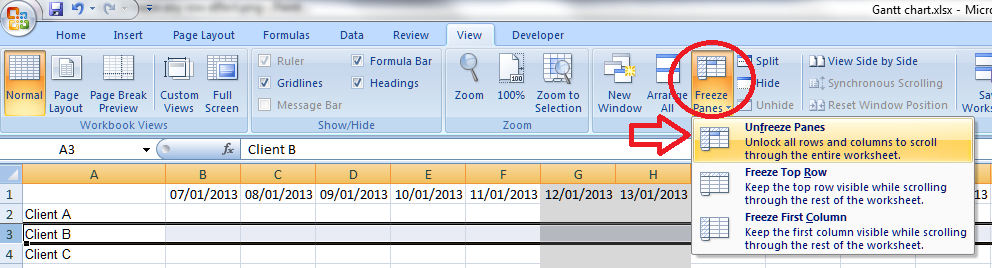
Once you go to do something else with freezing, you will notice that the Freeze Panes option has changed to read Unfreeze Panes. This is because you can only do one Freezing action at a time. If you decide that you want to freeze a column instead, or want to practise doing that, you need to click the Freeze Panes button then select the Unfreeze Panes option first.

Note: you don’t need to have anything highlighted to click this. It will unfreeze anything you’ve previously frozen.
4 unfreeze panes

Oh, and you can freeze a column and row at the same time, as we’ll learn in a few moments.

How do I freeze a particular column of my spreadsheet?

If you want to freeze a particular column of your spreadsheet, you do it in the same way as you froze the particular row.

But in this case, you need to highlight the column one to the RIGHT of the column you wish to freeze. In the example below, we want to freeze at Column B, so we highlight Column C (by clicking on the C at the top of the column). Again, click the Freeze Panes button then select the Freeze Panes option.

5 freeze any rows

Now, if you scroll across the document, Columns A and B will remain visible, and a thick black line will mark where the freezing has taken place:
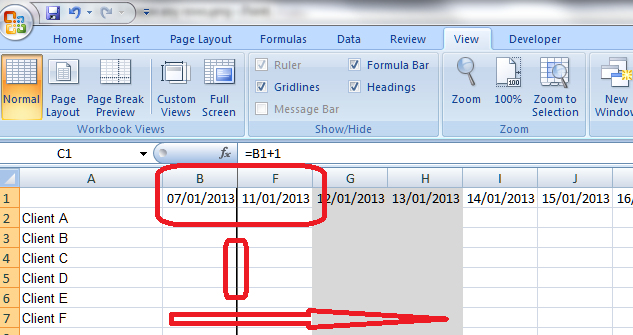
5 freeze any rows effect

Can I freeze a row AND a column at the same time?

Sometimes you might want to freeze both the top row and the first column of your spreadsheet. For example, I want to be able to see my list of clients, however many dates come across the page, and my dates in the top row, however long my list of clients becomes.

We’ve already learnt how to freeze just the top row or just the first column (see above), but as you might have realised,  you can’t do both – if you go back to the menu to do the second one, it just tells you to Unfreeze the panes first.

Here’s  how you do it:

Highlight the cell ONE DOWN and ONE TO THE RIGHT of the row and column you want to freeze. It’s just like freezing rows or columns. In this case, think of the cell nestling in the angle formed where the row and column you want to freeze meet. Here, we want to freeze Row 1 and Column A so that they are always visible. So we highlight the point at which Row 2 meets Column B.

6 freeze row and columnt

Using the same procedure to freeze the panes (Freeze Panes button, Freeze Panes option), we have now frozen Row 1 and Column A. If we scroll both down and across, Row 1 with the dates and Column A with the client names are still visible.

6 freeze row and column effect

Yes, Column A will scroll and the top will slide up and disappear temporarily, and yes, the dates in Row 1 will disappear as we scroll across, but the basic principle holds good:  we can see Row 1 and Column A, however much we move around the spreadsheet.

We’ve learned how to freeze rows, columns and rows plus columns today. I hope you’ve found this useful.

If you have found this article useful, please share it using the buttons below, and leave me a comment!

Related posts: How to print out the header row on every page

This is part of my series on how to avoid time-consuming “short cuts” and use Microsoft Office in the right way to maximise your time and improve the look of your documents.

Please note, these hints work with versions of Microsoft Excel currently in use – Excel 2003, Excel 2007 and Excel 2010, all for PC. Mac compatible versions of Word should have similar options. Always save a copy of your document before manipulating it. I bear no responsibility for any pickles you might get yourself into!

Find all the short cuts here

 
16 Comments

Posted by on January 9, 2013 in Errors, Excel, New skills, Short cuts, Writing


Tags: , , , , , , ,

Table of figures and table of tables

Are you stuck trying to create additional contents pages for the tables and figures in your document? Read on for simple instructions on how to do this.

We’ve already learned how to apply headings styles and create an automatic table of contents. But what if you’ve got figures and/or tables and you want to show those in the contents pages, too? It can be a bit fiddly, and I’ve partly written this post to give myself a reference document, too.

In this article, we are going to learn the correct and easy way to do this without heartache and hideousness. I’ll devote another article to dealing with something that’s gone wrong …

Why do I need a table of figures?

It’s often useful to provide a list of the figures and tables in your document, especially if it’s a long one, like a dissertation or thesis. They should be separate from the main table of contents, and listed below.

The tricky thing is creating two lists, one of tables and one of figures. This is where people usually come unstuck. Follow these instructions and you should be OK!

How do I create a list of figures and a list of tables?

We’re going to take a few basic steps here. They boil down to:

  • Mark all your figures as Figures and all your tables as Tables
  • Create a Table of Figures
  • Create a Table of Tables

Once you’ve done that, you’ll end up with something like this:

TOF 17

How to apply captions to tables and figures

I know what you’ve done … you’ve inserted your figure or table then typed its caption underneath, haven’t you? Like everyone else in the world. But let’s make life easier for you.

It doesn’t matter if you’ve already typed in all the caption names just as straight text – let’s do this the proper way and we can move those typed captions into the correct place as we go!

TOF 1

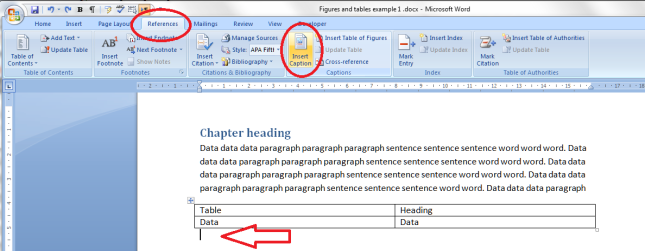
Click on the References tab. Find the Captions section. Put your cursor where you want the caption to go (arrow), Click on the Insert Caption button.

Let’s start off with a table caption. Remember, we want to mark a difference between tables and figures so that Word can create automatic lists.

Don’t worry if you’ve already got caption text in there at the moment: do this on a new line. We can tidy things up afterwards. You might want to copy your caption text so it’s available to paste.

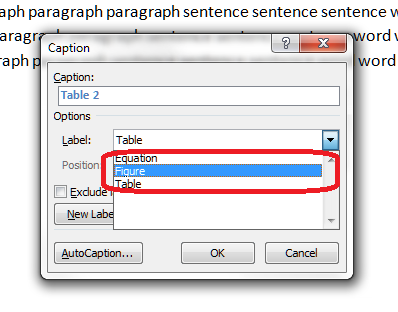
TOF 2You can see a drop down list which says Figure at the moment. But we want to differentiate between figures and tables, so click on the arrow on the right to drop down the list.

TOF 3… and choose Table. Once you’ve clicked, the Caption section above it will also change to read Table 1.

Now you can type the caption text straight into this box.

TOF 4

If you’ve copied the caption text you had previously entered, you can use Control-V to paste it into this box. Note: right-click and paste won’t work here, but Control-V will work.

If you haven’t copied the caption text, and you haven’t typed it in the box, don’t worry, as you will have another opportunity to insert it in a moment. Press the OK button and Table 1 and any text you’ve entered will appear below your table.

TOF 5

Now we’re going to add a figure caption.

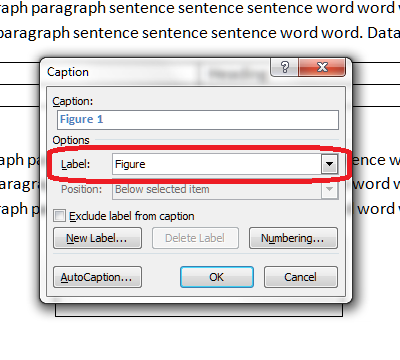
Put your cursor below the figure and click on the same Insert Caption button. This time, choose Figure rather than Table:

TOF 6This time, just leave the Caption box blank apart from the words Figure 1.

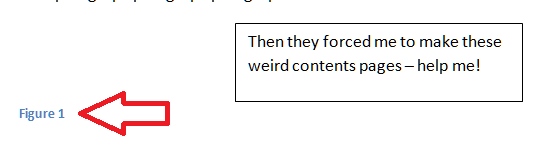
TOF 7Now you can type the caption text in here, or even paste it in – just make sure it goes blue like the words Figure 1 (we can change that later) to ensure it’s all included as part of the caption.

Now you can go through and mark all of your figure and table captions using this method.

Modifying and formatting caption numbering etc.

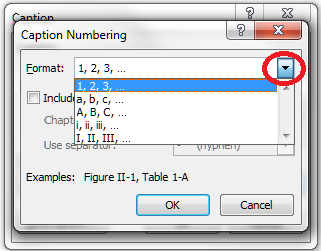
You can modify your captions, especially their numbering. When you’re adding a caption, click the Numbering button.

TOF 8You will now get options for changing the numbering from 1, 2, 3 to a, b, c, etc.

TOF 9

Use the drop down arrow to pick what you want.

You can also link the numbering to your chapter numbering – so you have Figures 1-1, 1-2, 2-1, 2-2 etc. (this is particularly useful in a long and complex document where you’re referring to lots of figures, as it saves the numbering going odd if you move figures around). To do this, click the “Include chapter number” tick box then specify what you count as a chapter number (you will need to have numbered headings to make this work):

TOF 10

Creating a table of figures and a table of tables

Once you’ve labelled all of your captions correctly as I’ve shown you, you can create your table of figures and table of tables.

Let’s do the table of figures first (it doesn’t matter which order you do this in).

Create a blank page where you want your table of figures to go, or click just below your Table of Contents if you’ve already created that.

Staying on the Reference tab, click on Insert Table of Figures:

TOF 11

You will now get some options, and this is where we choose whether we want the figures or tables to be listed. We’re adding the figures first:

TOF 12

Note, Table will be the default option. Choose Figure by dropping down the menu using the arrow on the right. Table will be highlighted in blue so click on Figure. As if by magic …

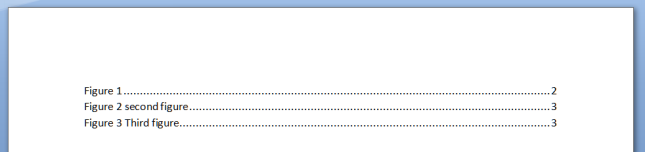
TOF 13

A table of figures!

Now return down a couple of spaces in your document and do the same to insert a Table of Tables:

TOF 14

Make sure it’s on Table and click OK. Hey presto …

TOF 15

Customising your table of figures

You can customise your table of figures in the same way that you can customise a Table of Contents, choosing from a range of styles and specifying how they are laid out:

TOF 16

I’m going to write an article about this soon, so for now just note that you can choose different “looks” for the list, and you will get a preview in the pane above these drop-down menu sections.

Adding headings to the table of figures and table of tables

You will probably want to add headings to your tables. Remember to mark these as Heading 1 so they appear in your automated Table of Contents, which I’ve also added here:

TOF 17

Updating your table of figures and table of tables

If you change anything in the page numbering, document layout or captions themselves (particularly useful if you or your proofreader finds an error) or delete or insert tables and figures, you will need to update your table of figures / tables.

You do this in exactly the same way as updating a table of contents. Right-click on the table, making sure the grey highlighting shows up. Then select Update Field and then Update Entire Table.

TOF 18And that’s it.

We’ve created captions the correct way, and created tables of figures and tables of tables, done some customisation and learned how to update them.

If you have found this article useful, please share it using the buttons below, and leave me a comment!

This is part of my series on how to avoid time-consuming “short cuts” and use Word in the right way to maximise your time and improve the look of your documents.

Please note, these hints work with versions of Microsoft Word currently in use – Word 2003, Word 2007, Word 2010, Word 2013 and Word 2016 all for PC. Mac compatible versions of Word should have similar options. Always save a copy of your document before manipulating it. I bear no responsibility for any pickles you might get yourself into!

Find all the short cuts here

Related articles on this blog

How do you create a two-line figure caption and a one-line entry in the table of figures?

How to create a Table of Contents

How to update your Table of Contents, Table of Tables or Table of Figures

Editing and the Table of Contents


193 Comments

Posted by on December 27, 2012 in Errors, New skills, Short cuts, Word, Writing


Tags: , , , , , , , ,

Slay or sleigh?

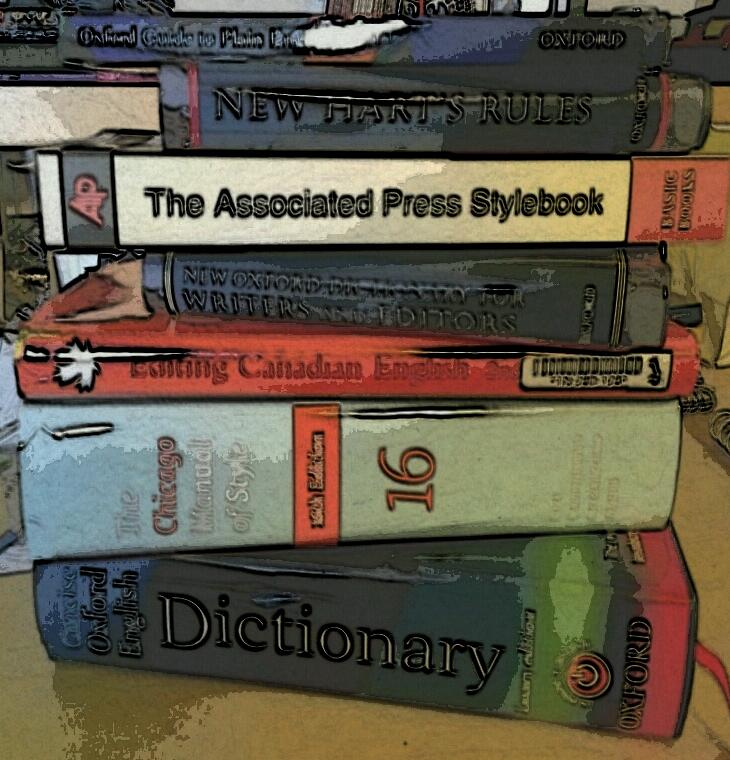
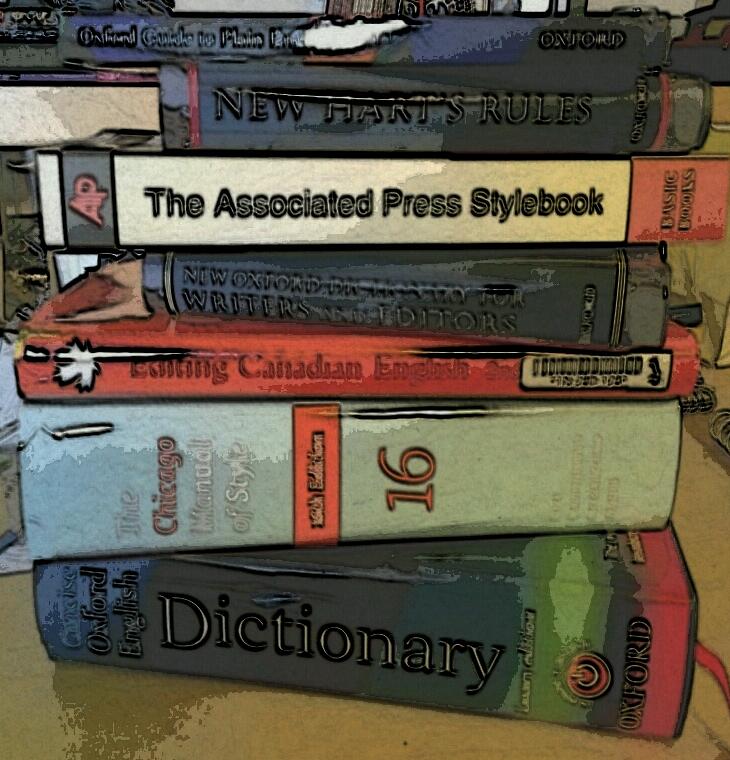
DictionariesSomeone told me that they had actually seen this one on a festive poster last week, so welcome to the Christmas 2012 Troublesome Pair!

To slay is to kill in a violent manner. You can also use it in a metaphorical way: “I’m going to slay that demon and face up to the supermarket on Christmas Eve”.

Slay (as a noun) is also an alternative spelling for sley, which is a tool which is used in weaving, to push the weft into place. No, I didn’t know that either, and I’m guessing that the author of the unfortunate poster wasn’t talking about Santa and his weaving activities.

A sleigh is a sledge drawn by reindeer or horses. A sledge is a vehicle set on runners which is used to travel over snow and ice, propelled by gravity downhill or pushed or pulled. Oh, and a sled is a North American term for sledge. Don’t say I don’t give you added value!

Season’s Greetings and I hope you enjoy 2013’s Troublesome Pairs and Trios!

You can find more troublesome pairs here and the index to them all so far is here.

 
4 Comments

Posted by on December 24, 2012 in Errors, Language use, Troublesome pairs, Writing


Tags: , , ,

Silicon or silicone?

I have to admit that I hadn’t fully grasped the differences between these two. So I’m guessing lots of other people hadn’t done either. And the dictionary is quite opaque on this, talking about chemical compounds rather than the essential, understandable differences, although my trusty “New Oxford Style Manual” does better.

Silicon is a naturally occurring element (symbol Si) which is hard and durable and used in the silicon chips inside computers.

Silicone is a synthetic compound of silicon, and this is the one that’s used in breast implants and cooking utensils: it can be a liquid or gel as well as a solid.

So, actually two that it’s a good idea NOT to get mixed up!

You can find more troublesome pairs here and the index to them all so far is here.


Tags: , , ,

Pair, pear or pare?

It’s homonym time in Libro Towers, with this classic easily confused trio …

A pair is a set of two things which are joined together or otherwise considered as a unit – including people or animals which are considered together – a pair of naughty boys; a pair of horses used to pull a carriage; a pair of wires twisted together to conduct your home phone signal.

A pear is an edible fruit or the tree that bears that fruit.

To pare (notice that this one’s a verb where the others are nouns) is to trim something by cutting the outer edges off, so you might pare an apple to take the skin off – it also has a more metaphorical meaning around reducing or diminishing something in stages rather than all at once, like taking the outer then inner layers off a piece of fruit, so you might pare down staffing levels gradually rather than sacking everyone at once.

So, if you had two pieces of fruit and you wanted to remove the skin from them, you might pare a pair of pears!

You can find more troublesome pairs here and the index to them all so far is here.

 
1 Comment

Posted by on December 14, 2012 in Errors, Language use, Troublesome pairs, Writing


Tags: , , ,

Lightning, lightening or lighting?

Several people have mentioned this trio to me, so it’s time to set it all out and explain it …

Lighting is the system or arrangement of lights, in a home or a theatre or film studio or wherever there are lights, or the effect that this arrangement has – “The lighting in the scene gives a feeling of doom”.

Lightening means becoming lighter in weight – “He was lightening the balloon by throwing out the ballast, and we went up, up and away!” or paler in colour – “She’s been lightening her hair again”. It also  has a technical, gynaecological meaning to do with wombs: you can look that up yourselves, as I think that’s one of those terms that you will know if you need to know it.

Lightning is the visual presentation of the electrical discharge between clouds, or between clouds and objects, during a thunderstorm. As a modifier, it also means very quick, linking of course to the very quick nature of lightning itself, as in, “His lightning reflexes meant he caught the pint glass before it hit the floor”.

You can find more troublesome pairs here and the index to them all so far is here.

 
11 Comments

Posted by on December 7, 2012 in Errors, Language use, Troublesome pairs, Writing


Tags: , , ,

Homonym, homophone or homograph?

A timely post, as I was discussing this, with examples, at home yesterday evening. Yes, that’s how we like to have fun here at Libro Towers: a bit of etymology of an evening …

We’ve already had one pair where I explain the difference between homo and hetero, so we know that the prefix “homo” will essentially introduce a word that’s all about two things being the same. But what happens when those words themselves all look horribly similar?

These three are quite similar-looking technical words used in English literature and linguistics. It is important to know the difference if you are working in these fields.

Homonyms have the same spelling or pronunciation but different meanings (the word comes from the Greek – having the same name), for example, pole and Pole, pear and pare, but also bass and bass. The homonym is the main class of words, divided into homophones and homographs.

Homophones have the same pronunciation but different meanings, origins or spellings, new and knew, beat and beet, fair and fare.

Homographs have the same spelling but different meanings, with either different pronunciations or the same pronunciation – for example bass (the deep singer) and bass (the fish), or cleave (separate) and cleave (join together).

You can find more troublesome pairs here and the index to them all so far is here.

 
1 Comment

Posted by on November 26, 2012 in Errors, Language use, Troublesome pairs, Writing


Tags: , , ,

Annex or annexe?

I’ve been working on a document that described a number of buildings with annexes, and I have to admit that I had to look this up, just to check. Well, to be honest, I look up a lot of things to check them, as I’d always rather get it right, oddly enough (one of these days I’ll write a post about a word that I’ve always thought is a word, but doesn’t actually exist …)

So, to annex is a verb, never has an e on the end, and means to add as an extra part or to appropriate territory. I can’t give an example of the latter without getting all political, but you could have a set of tables and a document they refer to, and decide to annex the tables to the document rather than present them separately. That’s an acceptable, discrete verb form, not one that’s been oddly made out of a noun (like “to inbox” – ugh) as far as I know.

An annexe, the noun, is an addition to a document or building. Now, I have to admit that I thought the difference lay here, and that the e was only added for a building. But all of my good old Oxford sources say no, it’s used for both. So, “The table was added as Annexe 1 to our document”; “Coffee will be served in the annexe to the church”.

Or, you can just skip the e there altogether. But you know me: I like to maintain different forms of words to preserve the variety of our language. So I say verb: no e; noun: add that e. Add it as an annexe, if you will!

You can find more troublesome pairs here and the index to them all so far is here.

 
2 Comments

Posted by on November 23, 2012 in Errors, Language use, Troublesome pairs, Writing


Tags: , , ,

Invite or invitation?

I have come across this rather more times than I’d like recently. If anyone remembers the short-lived Libro character, Ranting Ron, who turned out to be too negative for this nice, friendly, supportive blog, he would have been ranting about this one ..

Invite is a verb. It means to ask someone to go somewhere or do something, and can be informal (“she invited me to go for a coffee after yoga”) or formal (“Mr and Mrs Perkins invite you to the wedding of their daughter, Polly”). It can also be used to refer to eliciting a response of some kind – “I would like to invite questions from the audience”. Full stop.

Invitation is a noun. It’s a written or verbal request inviting someone to go somewhere or do something. It’s the bit of card that is used to do this, which Mr and Mrs Perkins will send to you when they want to invite you to their daughter’s wedding. Invitation is the noun to invite’s verb.

Now, I have to admit that the esteemed Oxford dictionaries do admit that there is an Informal use of invite to mean invitation. But I don’t think we need that, do we? Let’s keep the distinction and keep it all nice. OK?

You can find more troublesome pairs here and the index to them all so far is here.

 
2 Comments

Posted by on November 16, 2012 in Errors, Language use, Troublesome pairs, Writing


Tags: , , ,

Ocular or oscular

Is it the eyes or is it the mouth? I have to admit that this is a bit of a cheeky one, inspired by the ramblings of a group of vision scientists who were discussing vision and kissing … but what’s the point of having even a fairly serious work blog if you can’t be cheeky occasionally. So this one is dedicated to Matt, Arthur, Dicle, Matthew, Aidan and their chums …

Ocular means of or related to the eyes or vision.

Oscular, in its “humorous” sense (according to the Oxford dictionaries, whose sense of humour may be slightly ponderous) refers to kissing. In its zoological sense, it means something related to the osculum. And the osculum, dear readers, is a large aperture in a sponge from which water is expelled (from Latin os, mouth: diminutive, osculum, little mouth). Now, if that hasn’t killed the romance, I don’t know what will …

You can find more troublesome pairs here and the index to them all so far is here.


Tags: , , ,