RSS

Tag Archives: writing

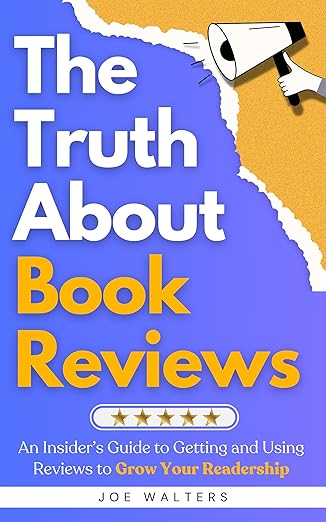
Book review – Joe Walters – “The Truth About Book Reviews”

Book review – Joe Walters – “The Truth About Book Reviews”

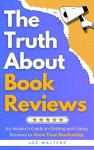
Over on my book review blog today, you can read my review of this book industry read, “The Truth About Book Reviews”:

In an easy to read and chatty style, Walters takes indie authors and those publishing through small presses through the stages of obtaining book reviews in three categories (blurbs/editorial reviews, media and trade reviews, and customer reviews, the second incorporating book blogs like mine, the third being Amazon, Goodreads, etc.). He includes timelines, plans, why and how you can obtain book reviews (including submissions to sites and services both free and paid, with explanations of the advantages of both) and what to do with them when you get them …

(read more)

 
Leave a comment

Posted by on November 29, 2025 in Business, Writing


Tags: ,

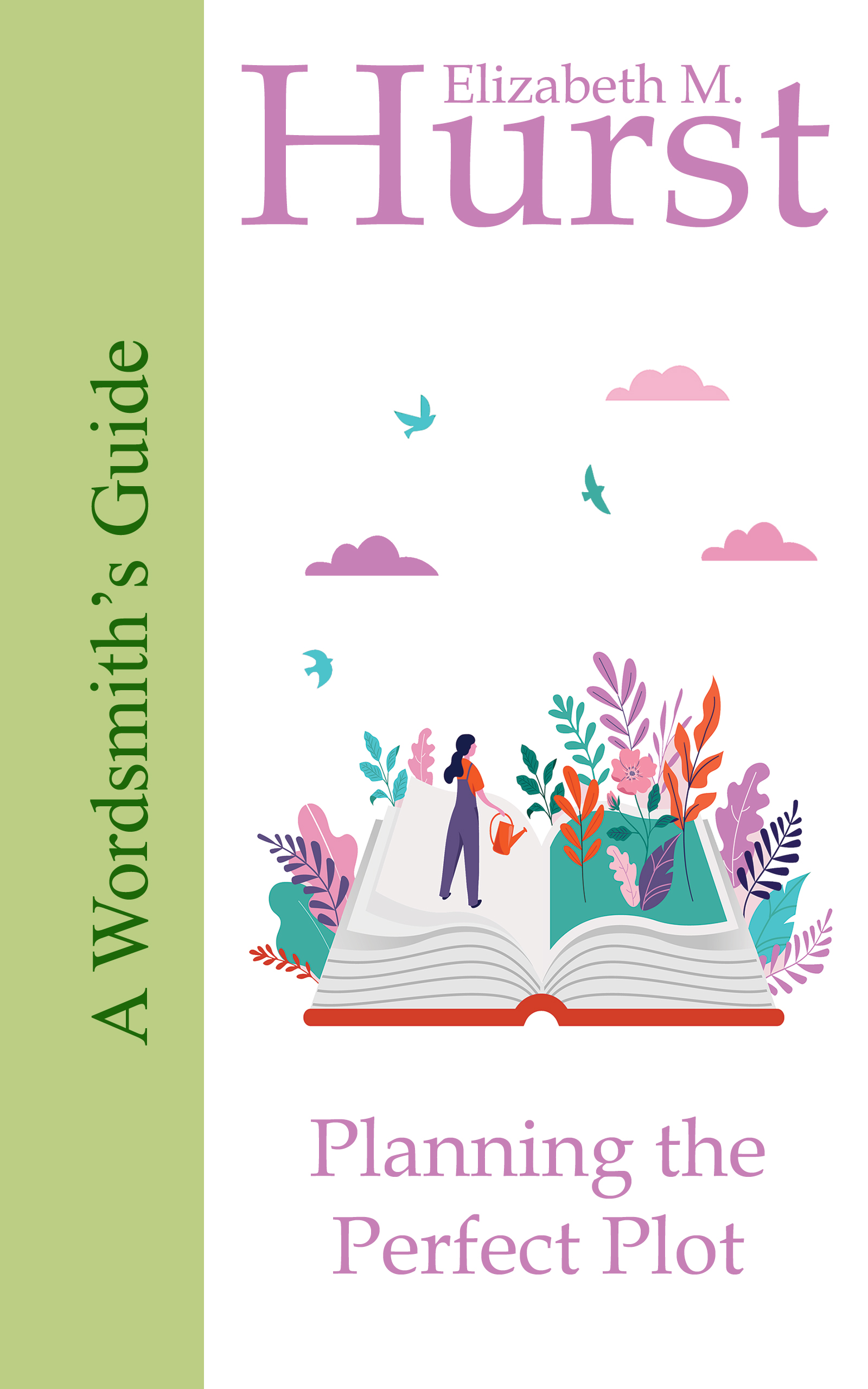
A book for fiction writers – Elizabeth M. Hurst – “The Wordsmith’s Guide to Planning the Perfect Plot”

Over on my book review blog today I’ve reviewed this book, which is a great choice for any fiction writers who are keen to find out new ways to do plotting and planning. While I myself only edit nonfiction these days, I know a lot of fiction writers find this website, so this one’s for you! Read all about it here (with thanks to Elizabeth M. Hurst and Rachel’s Random Resources)

 
Leave a comment

Posted by on October 18, 2025 in Writing


Tags: , ,

Editing resource review – QuickStyle Customizable Editorial Style Sheet

Editing resource review – QuickStyle Customizable Editorial Style Sheet

As an editor and proof-reader of many years standing, I use style sheets as a matter of course (if you’re not an editor or you’re new to the business, you can refresh your memory on using a style sheet for proofreaders and editors and for writers). I have a very simple template which I use as a basic style sheet for, say, self-publishers who haven’t created one of their own, or I use a journal, publisher or university’s one. What I didn’t realise I needed until Hazel Bird of Wordstitch Editorial (coincidentally the same age as my own business) got in touch was a customisable style sheet that I can tweak to any requirements I wish!

What did I receive?

I received a copy of the style sheet in read-only format (to keep, and save-as to create my own customised versions) and a very useful PDF guide. I work on a PC but the download included the Mac versions, too. It comes in a .zip file so it’s not too big to send and receive.

What does it look like and what does it do?

When you open the Word template document, you can immediately see that you can add your own business name and logo, making it entirely yours:

Screenshot of the top of the style sheet showing where you can add your logo and details

Obviously, you can add your branding then save a copy that’s “yours”. The bit of text at the top is spot-on already, but you can amend that, too.

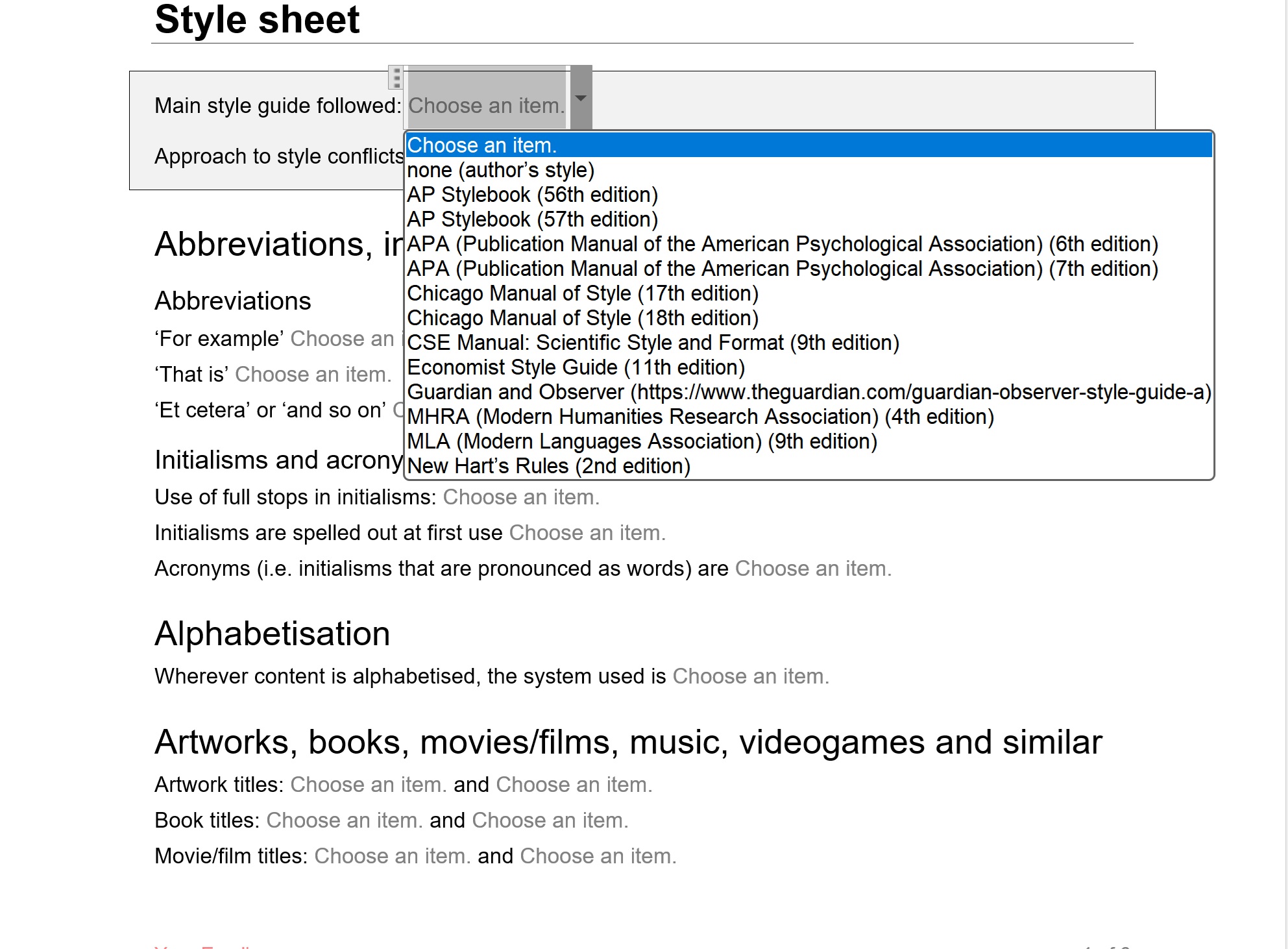
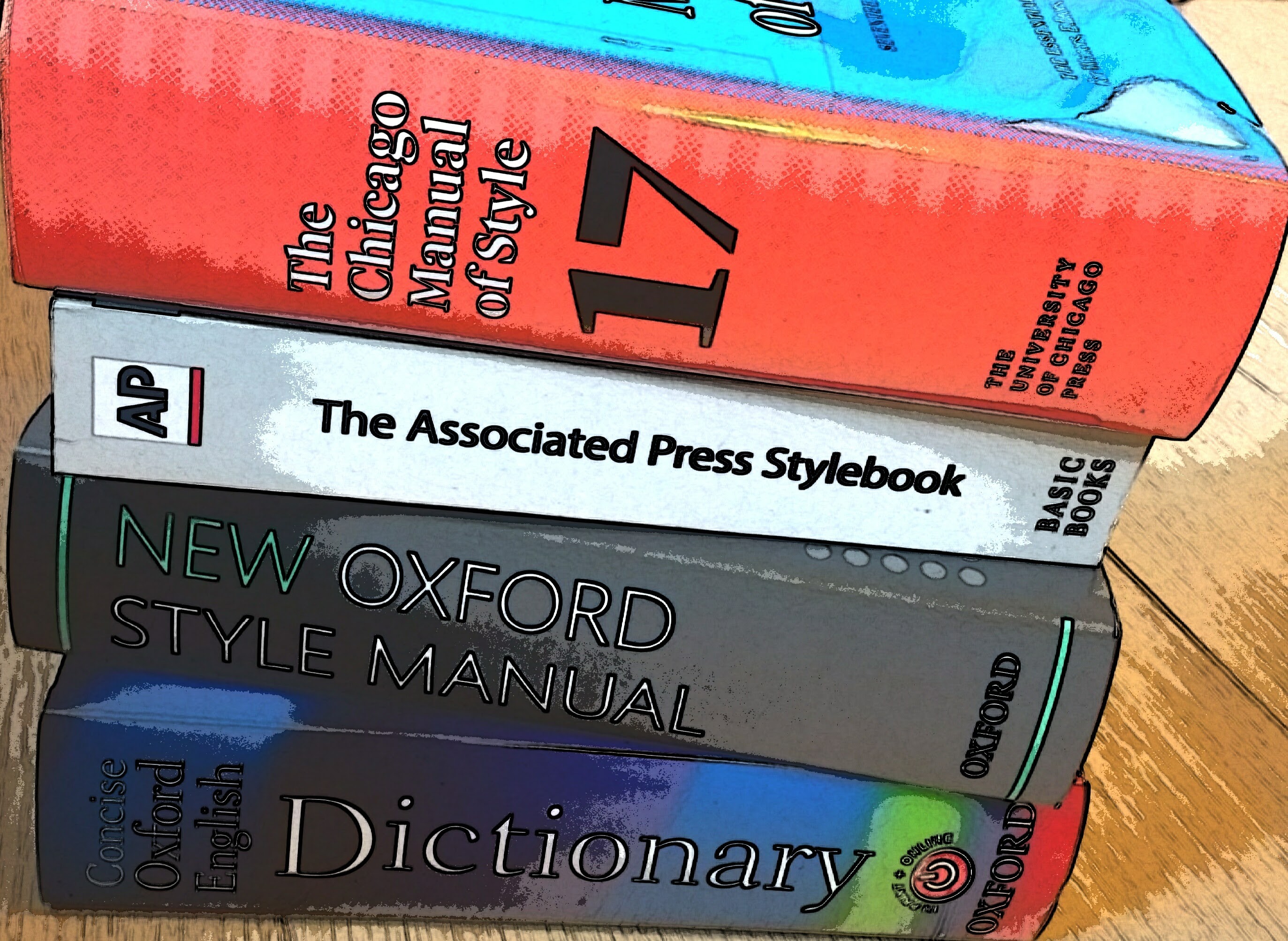
Then we get to the nuts and bolts: first of all, you can state the style guide you’re being led by:

Screenshot showing how you can choose a style guide to follow

It’s worth noting here that there is even an “Approach to style conflicts” box so you can record whether the chosen style guide is the law set in stone or whether the client’s different uses trump the style guide.

The template then goes on, in alphabetical order, to let you choose the options for everything from abbreviations onwards.

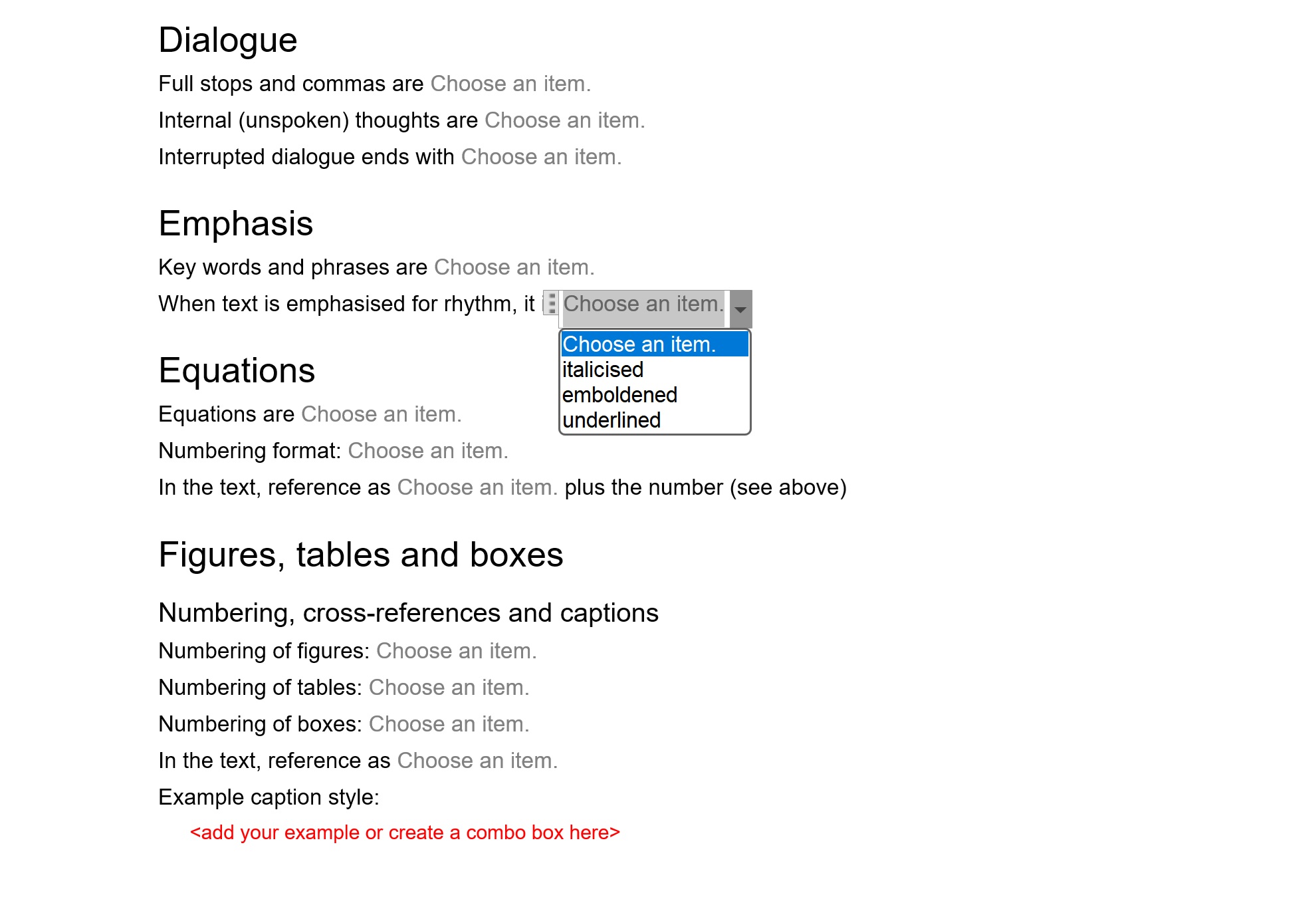
Examples of areas you might define rules for with one drop-down open

There are so many choices, which is great: I couldn’t find anything missing and you can always add any special ones to the list.

What about help?

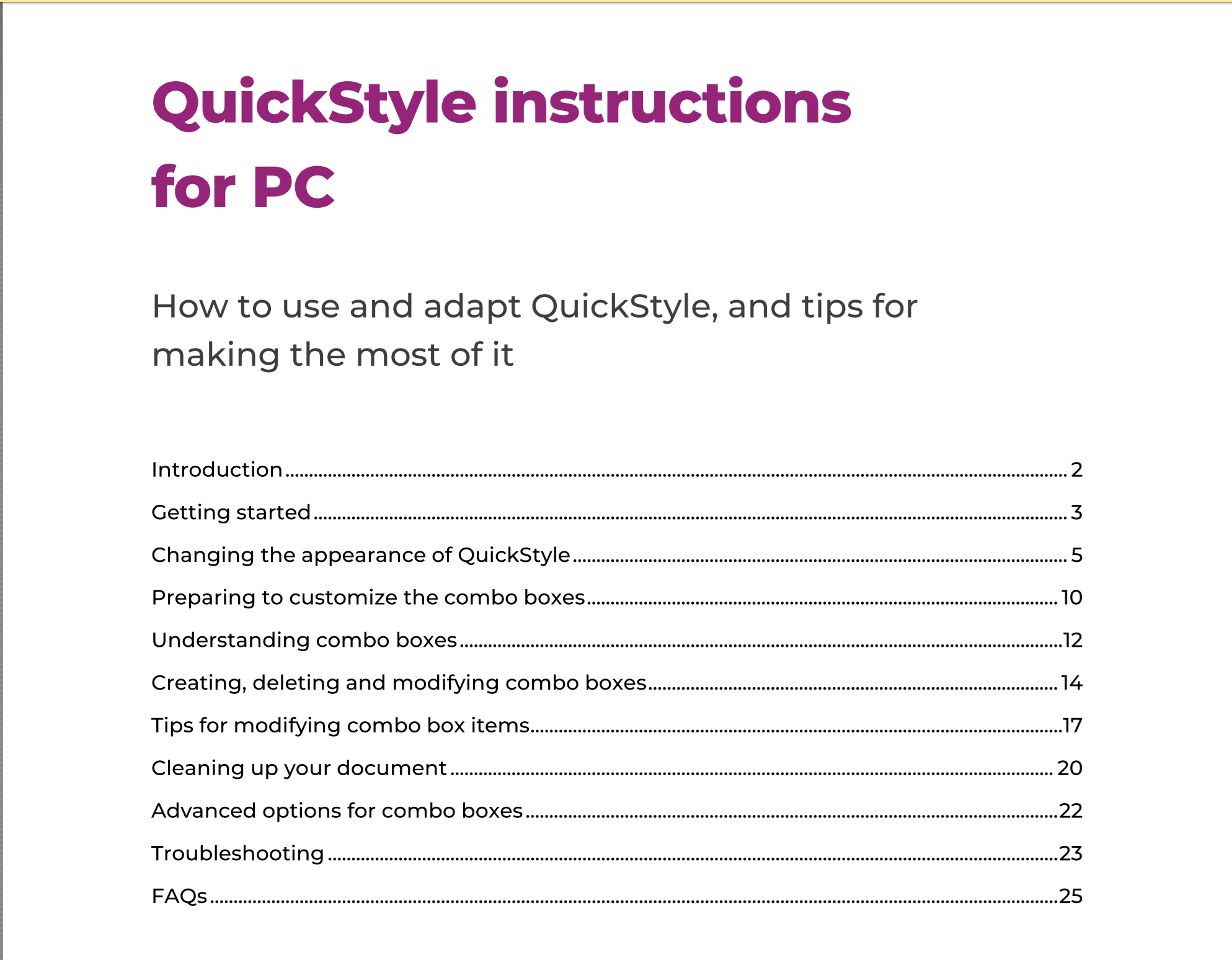
The style sheet comes with a very useful manual in PDF which covers everything you need to know, written clearly and helpfully:

Menu for the PC manual

And I can lock the style sheet down so my client can’t alter it, right?

This was my main question: can I remove the choices so my client just sees what I’ve chosen for them (or my writers and editors if I’m a journal or book publisher). And the answer, of course is yes: you can create a standard-looking style guide your client can’t amend by mistake or on purpose!

Who is QuickStyle Editorial Style Sheet useful for?

  • Editors and proof-readers will find it invaluable
    • There is a LOT of information on the full template, however it’s easy to delete sections, so if you want to keep it simple, you can just keep to various basics, but if you need all the detail, it’s all there for you.
  • Writers who are producing more than one book and want to keep their style consistent could use it and pass it on to their editor and/or proof-reader
  • Journal editors and publishers can use it to provide guidance to their writers, editors and proof-readers

How do I buy QuickStyle Customizable Editorial Style Sheet?

You can download the style sheet from Hazel’s website here. She has provided the following information about contents and prices:

  • It’s available for PC and Mac (both versions will be included in all purchases, so users have access to whichever is relevant to them).
  • The price will be £45 inclusive of any applicable taxes.
  • There will be a 15% early-bird discount on all purchases at launch (13 August) until Friday 12 September.

Thank you to Hazel Bird for providing a review copy of QuickStyle Customizable Editorial Style Sheet in return for an honest review. It’s launch day today, 13 August 2025, and I do recommend it.


Tags: , ,

Gendered language and language change

Today I’m sharing an excellent paper, “The State of Gendered Language“, written by experienced and highly respected editor Sarah Grey.

Gendered language is language that takes account of gender and gender-related terms in a marked way, for example using “female doctor” or “male nurse” to point out ‘deviations’ from some shared ‘norm’, using the pronoun he for unnamed examples of bosses, and she for unnamed examples of secretaries, or promoting the gender binary by using he/she or his/hers when there are plenty of folk who exist along a continuum that’s not just binary.

As writers, it’s important to be inclusive – mainly for social and ethical reasons but also, why limit our audience? This article is likely to help writers understand the background of the changes they might be asked to make by editors, agents or readers.

As editors, many of us try to introduce these concepts to authors who might not have encountered them. This article gives us a great resource to back up what we’re saying with some solid and professional facts and references.

Sarah Grey’s article “The State of Gendered Language” appears on the Chartered Institute of Editors and Proofreaders’ website. Thank you to my colleague Katherine O’Moore-Klopf for drawing my attention to it.

Other related articles on this website

Medalling, podiuming and singular they

 
Leave a comment

Posted by on December 6, 2021 in Copyediting, Ethics, Language use, Writing


Tags: , ,

Do editors make mistakes? What should you do if you find your editor has made a mistake?

I have written a little bit about errors in editing before, but this article by my colleague Erin Brenner of Right Touch Editing says everything that I would say about the issue.

Another reason editing can’t be perfect is the simple fact that editors are as human as writers and designers and every other person on our planet. Even though we’re trained and practiced at finding errors, we do miss them. And we’ll miss more of them when there are a lot of errors in the manuscript. Catching more errors might mean taking another pass through the document, which could mean more time and more expense. A good editor keeps your timeline and budget in mind when trying to make the manuscript the best it can be.

Read the full article here.

 
1 Comment

Posted by on October 25, 2021 in Copyediting, Errors, Ethics, proofreading, Writing


Tags: , , ,

Essay mills are to become illegal in the UK

The BBC has reported that “essay mills”, where companies sell pre-written complete essays to students, are to be outlawed as part of the Skills and Post-16 Education Bill. I welcome this, and hope it will drive this practice away from higher education. However, this does need to be accompanied by better essay-writing and pastoral care support for students, who are often tempted to cheat, not out of laziness, but because of high social and academic pressures.

What is an essay mill?

An essay mill is a company that exists to make money from providing pre-written essays and even dissertations on topics which students purchase and try to pass of as their own.

In my (of course entirely legitimate and very careful) dealings with student clients, I come across so many examples of organisations who prey on them and abuse them while extracting money from them. More times than I can count, a student has come to me having already had their essay “edited”, which has, at best, involved running a simple spell check over it. Particularly for students whose English is an additional language to the one or more languages they are already fluent in, this can be woefully insufficient for them. They pay money, often a lot of it, and are left with something not fit for purpose that needs re-editing. When I worked on a university campus, I would see stickers on lamp-posts offering editing or proofreading services for students, or, indeed, advertising essay mills.

Why are students tempted to use essay mills?

I firmly believe this is not all out of laziness and trying to buy your way through university. Of course, some examples may be that, but in my decade and more of dealing with students, especially overseas students who are not fluent writers in English, I have seen the huge pressure to perform that can sometimes overwhelm. Overseas students in particular pay huge fees to attend British universities, even higher than national students, and this money has been paid by families or sponsors. I am not sure that English language support is even across institutes of higher education and I have come across many students who clearly understand their topic but lack the skills to present it in English that is deemed acceptable by their authorities.

I need to emphasise here that I have huge respect for anyone pursuing higher education in their second, third, fourth, whatever language. My French is decent and my Spanish is getting there, my Icelandic can raise a wan smile and I can speak Italian only when in Italy: I would not wish to write a university-level essay in any of these languages. Also, it’s not only overseas students who use essay mills.

So you’re pressured to make good use of the money that’s been spent on you, you know your English skills are not brilliant, and you see an ad where you can buy an essay. What are you going to do?

What happens if a student submits an essay they’ve bought from an essay mill?

Universities and colleges are of course wise to the use of essay mills and the purchase of pre-written essays. Of course these essays aren’t individually written for each student, so they will crop up regularly. Plagiarism software will pick them up easily, and the tutor may also realise that the language used is very different from the student’s usual level of English.

I would hope that the university would offer support in English language skills and essay writing rather than simply censuring the student. I hope there’s more understanding for the people they have brought over and charged highly for this British education.

Dealing with plagiarism carefully

Of course this is all about plagiarism: passing someone else’s work off as your own. Legitimate and careful editors/proofreaders who work with students, like me, are very careful about plagiarism. I have a line I won’t cross in terms of how many corrections and suggestions I’ll make to a student’s work, and I have turned down work several times where it’s clear that too much help is needed from me, and advised the student to approach their tutor for support. I have some resources about plagiarism below.

If you’re a student looking for help and support with essays, I suggest you do the following:

  • Ask your tutor or the library support staff if there are any courses or classes available
  • If you need a proofreader for your essays, ask your tutor or classmates if they can recommend someone
  • If you need to find a proofreader for your essays or dissertation yourself, look for a service provider who has a statement about plagiarism and terms and conditions on their website. Ask them how they do the work, and check that they leave Tracked Changes turned on so you can see and assess their changes and decide yourself if you want to accept them.

This article was triggered by the announcement that essay farms are going to be made illegal in the UK. I have explained what they are and why students might used them, pleaded for understanding and discussed how else students can find support, with a mention of how they might choose that support. There are some resources below on plagiarism which you might also find useful.

Other resources on this website

For students

Choosing a proofreader – student edition

My terms and conditions

Why has my proofreader not edited my bibliography?

Referencing – how to keep track and how to refer to your reference materials

How to quote sources without plagiarising – rewording and quoting appropriately

Essay tips for new students – handy for undergraduates

Top tips for dissertations and theses – from people who’ve been there

Top tips for writing up your PhD

Appropriate language in academic writing

For editors

On (not) crossing the line

Plagiarism – what it is and how a proofreader should work with student material (and my terms and conditions)

Student at risk of plagiarism 1: What do you do when a text isn’t referenced properly?

Student at risk of plagiarism 3: Sending feedback to your student client and their supervisor
 
6 Comments

Posted by on October 11, 2021 in Copyediting, Ethics, proofreading, Students, Writing


Tags: , ,

A lovely review for my book on starting a business!

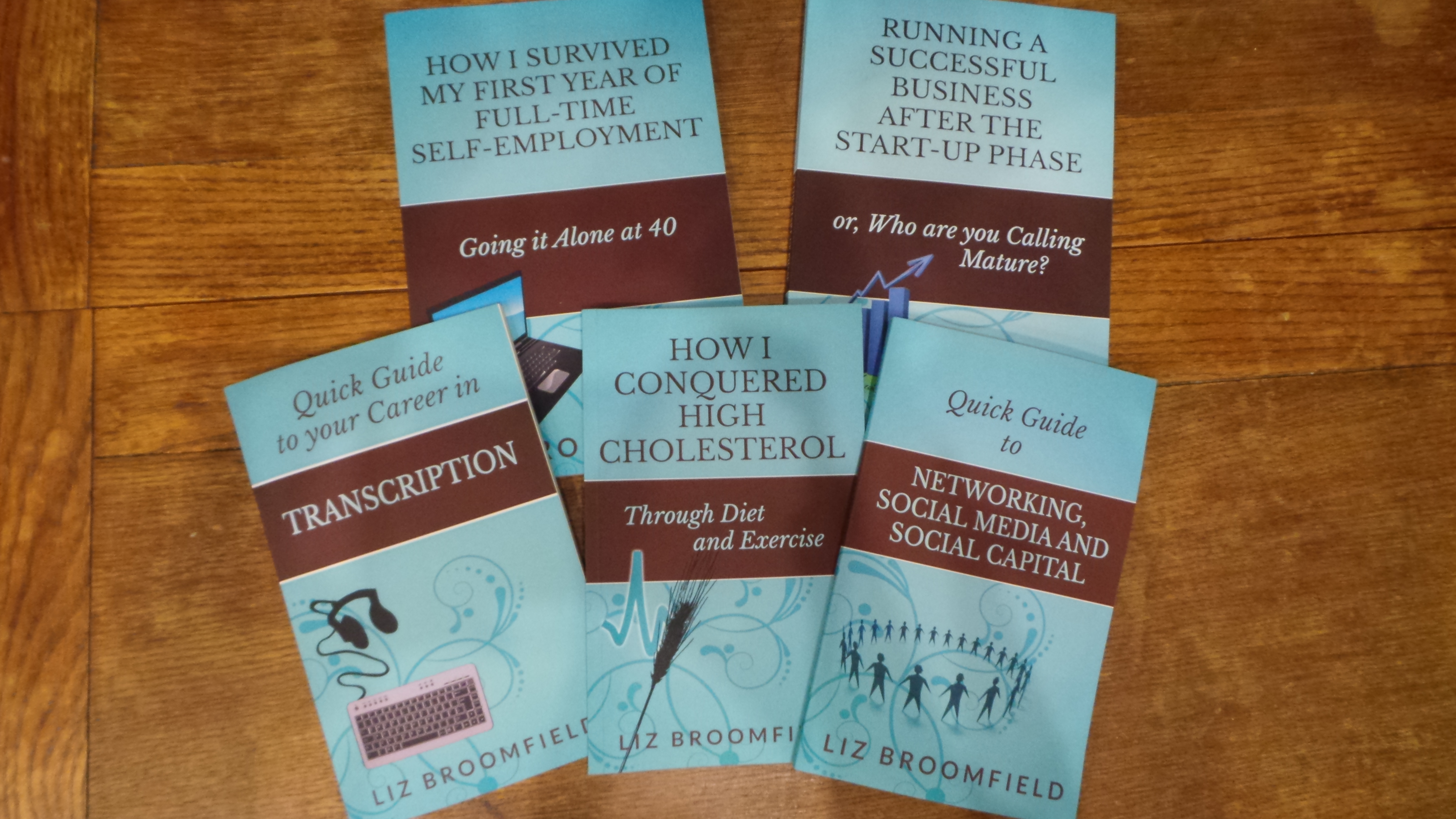
Business books by Liz BroomfieldI get quite a few enquiries via email and my contact form asking for advice about becoming a proofreader, editor or transcriber. Often, the person hasn’t looked at the information available on this blog and I direct them to a few starter posts. However, when Katie Baker, newly setting up a proofreading and transcription business, got in touch with me, she had already had a look through this website and picked up a lot of information she needed, and she had some specific questions she wanted to ask that I really didn’t mind answering at all. I also sent her an e-book copy of my first business book “How I Survived my First Year of Self-Employment“, something else I’m happy to do, as helping someone directly means so much more to me than getting an extra book sale.

Katie has very kindly posted a review of my book on her own blog. I don’t think people always realise how important reviews are to, especially independent, authors – in this case, Katie found she was unable to post the review on Amazon as I’d sent her the copy and it only wanted validated Amazon purchases to be reviewed, so she did this instead, for which I’m equally grateful. Reviews from peers and colleagues are always hugely welcome and appreciated.

As somebody in the early days of my business, I found Liz’s guide to be genuinely useful, insightful, and above all, enjoyable to read.

Read Katie’s full review here.

And details of all of my books and where you can find them are here.

 
2 Comments

Posted by on October 20, 2020 in Business, Ebooks, Writing


Tags: ,

Using a transcription app rather than a human transcriber – advantages and disadvantages

Have you considered using an app to transcribe interview tapes or dictations, rather than doing it yourself or hiring a transcriber? Today I have a guest post from my friend Mary Ellen about her experience using a transcription app. When she told me about how she’d used one to transcribe the interviews she conducted for a magazine article, I was very interested and asked her to write me something about how it all went.

I’m not saying don’t use apps – but if you have the funds and you want an accurate and quick transcription, it’s worth learning from what she found out.


Recently, I was commissioned to write an article about visually impaired runners. Being inexperienced, I blithely accepted the challenge to interview five runners without realising the effort that is needed in getting all of their interesting stories into text.

Aware of the fact that there are people who transcribe interviews for a living (like my lovely friend Liz), the fact was that my fee was a free copy of the periodical and so the budget did not cover the expense of paying a transcriber. The instructor for the writing course I was taking recommended the transcription app Otter so I put it on iPad and used it while interviewing.

It had occurred to me to transcribe it myself, but as I was also working full-time as a teacher time was at a premium. So, with a deadline looming, I cracked on with the interviews which I loved doing. However, after each one I was soon to realise that the app was not ideal for getting their words into print accurately. Oh the errors! The software, to be fair was able to differentiate between the person I was interviewing and me. Aside from this, the text it transcribed was disjointed and while some words fit, most of the sentences made little sense. After each interview, 
I had to correct the errors in the transcription.

Luckily I had written notes so I knew roughly the quotes I wanted and could then listen to the sections I wanted to quote from. However, this was labour-intensive as I then had to hand write the correct words and then re-type the corrected quotes. Worse still, I was writing the article on the iPad I had recorded the interviews on and so had to hand write the correct words before I typed them. This was frustrating, since I knew if the app had transcribed the words correctly this was a step I could have avoided.

So my first adventure in interviewing for an article was great since I loved talking to interesting runners but really, I could have done without having to retype the faulty automatic transcriptions. It makes me tired just thinking about it now. I am determined to continue pitching ideas to periodicals and hopefully get a paid assignment soon. I would definitely pay for a transcription by a trained professional for an article I was being paid for since it would make better business sense. Not only would it save me time, it would also allow me to take on more work, since I wouldn’t have to spend precious hours transcribing. Given that it took me about about an hour and a half per interview to type out my quotes, that is about 7 and a half hours.

In the end, I think the transcribing app, though free, was a false economy that made the article much more labour-intensive than it had to be. Live and learn!

Mary Ellen Flynn writes about special educational needs and disabilities and running. You can find her at @mareflynn on Twitter.

Other relevant articles on this website

Why you need to be human to produce a good transcription

How to get into transcribing as a job

The technology transcribers use

 
5 Comments

Posted by on September 4, 2020 in Skillset, Transcription


Tags: , ,

A real-life example of beta reading #amwriting @edprice7 @steev8

I often encourage the writers I work with, especially those who are publishing independently, to get a beta reader or two to read their text before they get it edited, so they have a reader’s point of view and can make the necessary changes before going through the first or maybe a subsequent stage of editing. You can read my article about beta readers here. But what is is like to be a beta reader?

I came across this article by Ed Price through the writer Steve Chilton mentioning it in a reading runners’ group I’m in. I don’t often share articles on here but this one explains exactly what it’s like to be someone’s beta reader and is hugely valuable for that. Here’s just the start of it all – Ed goes into lots of fascinating detail which will be useful for any writer or person who has asked to be their beta reader, I’m sure …

Steve asked me to be his ‘critical friend’ after he had finished the first draft of the manuscript. While I have a good deal of experience putting coursebooks together, I’d never before been involved in the editing process of a biography. So what could I bring to the role of critical friend?

Speaking to Steve, it was clear that he wanted a sounding board: someone to read the manuscript and see what worked; what might need more clarification, and whether there were any areas that could be tidied up or even cut. Having spent months buried in research and drafts and edits, it made sense that a ‘friendly’ pair of eyes with a certain degree of critical acumen could be beneficial to him. The longer you spend in researching and writing, the harder it can become to see the wood for the trees; to read a text the way a paying customer would.

Read the whole article here (shared with Ed’s permission).

Other useful articles on this blog

The different kinds of editing and proofreading

 
2 Comments

Posted by on August 18, 2020 in Reading, Writing


Tags:

What are the stages involved in writing my book?

a hand writing in a bookWhat are the stages involved in writing a book? Where do editing, proofreading and beta reading fit in?

Authors often get confused about the different stages and people involved in getting a book published. It’s not as simple as “Write a book – get it published!” but nor should it be so complicated that only the professionals understand it.

I work with a lot of people who are indie-publishing or self-publishing their book, however these stages will be roughly the same whether you’re publishing in the traditional route with a publisher, or going it alone. When the publisher gets involved can also vary.

What are the processes my book needs to go through?

Here are the basic stages for your book.

  1. Plan
  2. First draft
  3. Second draft
  4. Beta readers
  5. Third draft
  6. Edit (usually in Word)
  7. Fourth draft and preparation for publishing (layout artist, cover art, blurb)
  8. Proofread (usually in PDF or another file format from which the book will actually be produced)
  9. Publish

Note: You might have a substantive edit before or just after the beta readers; if you have one after that stage, it’s an idea to add another beta read in afterwards, which would give you this:

  1. Plan
  2. First draft
  3. Second draft
  4. Beta readers
  5. Third draft
  6. Substantive edit (usually in Word)
  7. Fourth draft
  8. More beta readers or the same ones again
  9. Fifth draft
  10. Edit (usually in Word)
  11. Sixth draft and preparation for publishing (layout artist, cover art, blurb)
  12. Proofread (usually in PDF or another file format from which the book will actually be produced)
  13. Publish

One last point: it’s better to have your edit and proofread done by different people: just as it’s hard to edit your own work, it’s hard not to miss things if you’re proofreading something you edited. See the link below for how to handle the style sheet you will need.

Other useful articles

The different kinds of editing and proofreading (it’s biased towards fiction but also works for non-fiction):

All about beta readers and what to ask them

Style sheets to pass from editor to proofreader

How to request a quotation from an editor

Negotiating and booking in your project

I hope you’ve found this very quick guide to the process of editing and proofreading useful. If you have, please share this article using the buttons below, or leave me a comment. Thank you!


Tags: , ,